The 2026 world malaria day marks a significant milestone in the quest to end Malaria as an important innovation in malaria case management: the integration of Malawi’s malaria treatment guidelines into a digital platform known as MAGICapp is officially launched. This application is designed to enable Malawian healthcare workers to access up-to-date malaria treatment guidelines easily, seamlessly, and in real time, regardless of their location.
The Malawi National Malaria Control Programme (NMCP) recently endorsed the introduction of dynamically updated malaria treatment guidelines in the country. The Malawi Liverpool Wellcome Research Programme, through the EU-funded Mitigating Antimalarial Resistance Consortium for Southern and East Africa (MARC SE-Africa) facilitated engagement with NMP Malaria Case Management Technical Working Group, a collaboration that was central to the development of the Malawi-specific version of the MAGICapp containing the national malaria treatment guidelines.
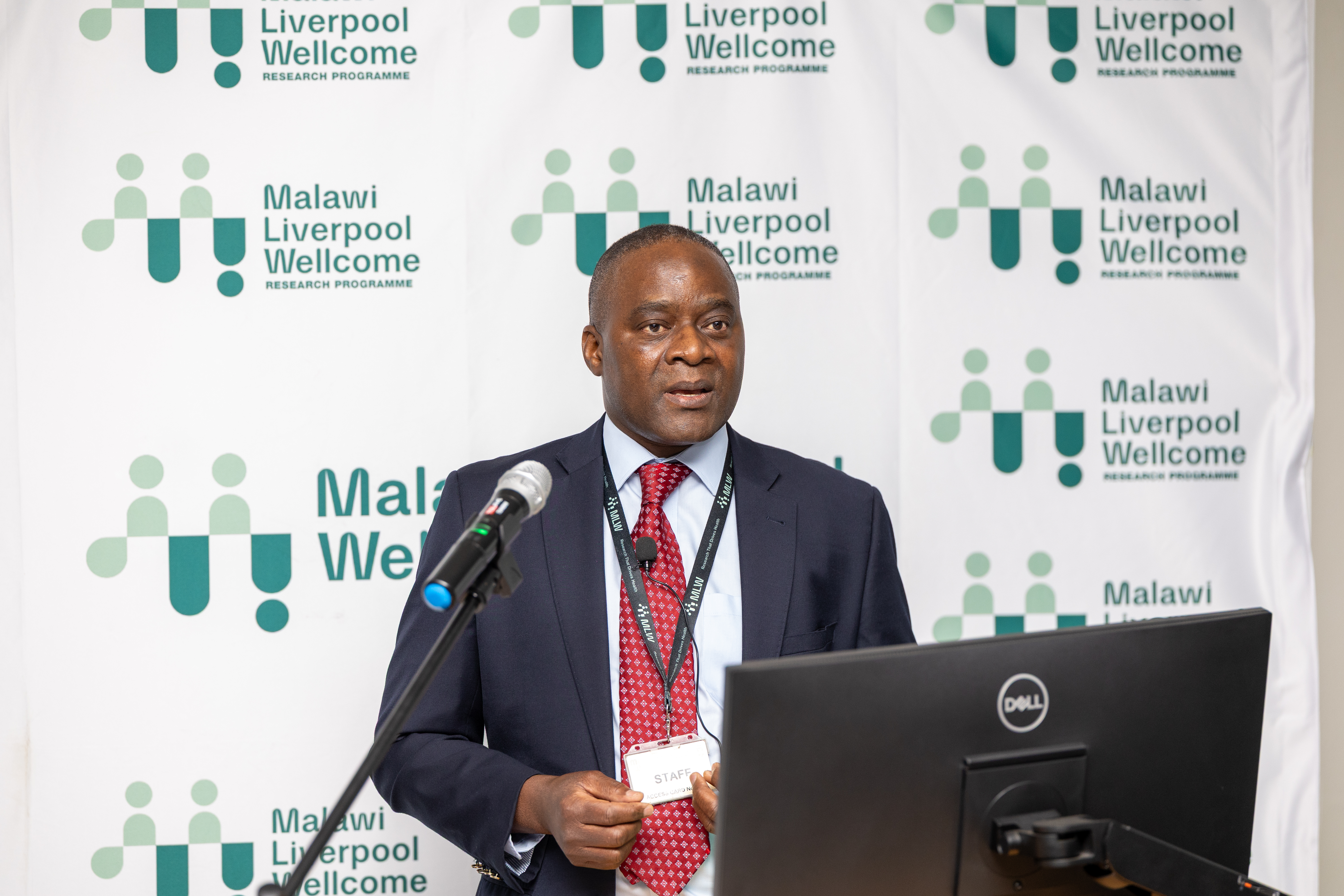
Speaking on the importance of this innovation, Clinical Epidemiologist at MLW Dr. Donnie Mategula, emphasized the critical role of accessible evidence-based guidance, stating; “As drug-resistant malaria threatens the progress we have made, Malawi’s response must be anchored in rigorous, transparent, and trusted evidence. Clear and accessible treatment guidelines are essential for helping health workers and decision-makers act consistently, confidently, and effectively to protect lives.”
Commending the breakthrough, Prof. Karen Barnes, Coordinator for MARC SE-Africa, noted; “With the growing threat of drug-resistant malaria in Africa, investment must be made to ensure effective malaria treatment policies and practices. This requires user-friendly malaria guidelines based on up-to-date, trustworthy local and global evidence. As they did when threatened with combatting chloroquine resistant malaria in the 1990s, Malawi’s National Malaria Programme is again leading the way in Africa by launching user-friendly, dynamic, digital malaria treatment guidelines following international best practice standards. This will enable the safe and effective use of different treatments in different regions of Malawi, a WHO recommended approach to keep our malaria treatments working.”
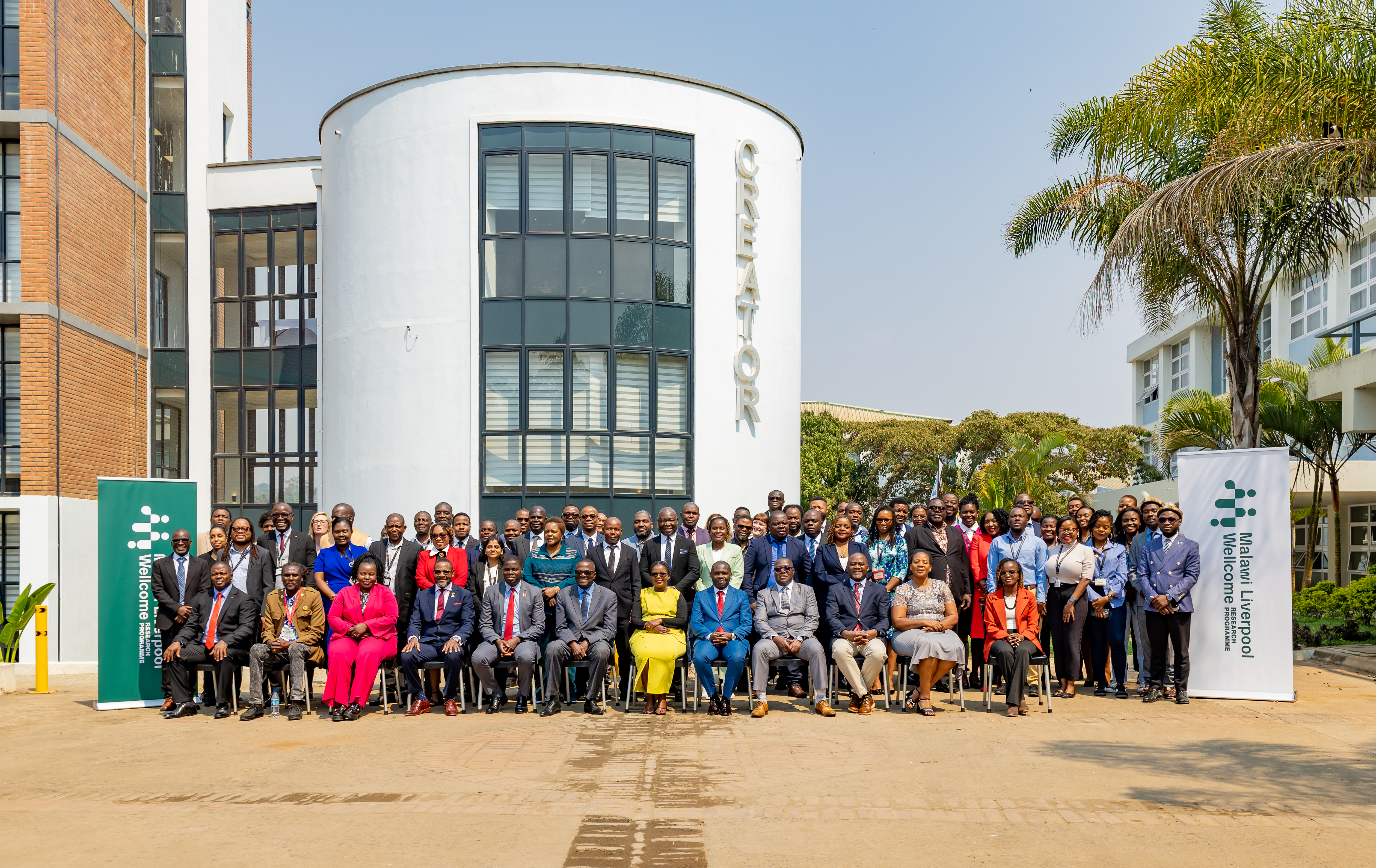
This year’s World Malaria Day will also mark the official launch of the MAGICapp in Malawi—a milestone in which MLW played a significant role.
Reflecting on this collaboration, Prof. Per Olav Vandvik, Chief Scientist for the MAGIC Evidence Ecosystem Foundation-developer of the App-, shared; “As part of the MAGIC Evidence Ecosystem Foundation, we are honoured to work alongside the Malawi Ministry of Health in developing and publishing updated treatment guidelines in MAGICapp, supporting a coordinated and effective response to this growing threat. By combining strong methodological standards with clear, accessible formats, graphical summaries, and decision aids, this work supports informed decision-making across different levels of care and strengthens the response to one of the most urgent challenges in drug-resistant malaria today.”
World Malaria Day falls on 25th April and for this year the commemoration is under the theme “Driven to End Malaria: Now We Can, Now We Must.” Over the years, malaria has remained a major threat to human life worldwide, claiming hundreds of thousands of lives annually.