Clinical and Experimental Medicine

About

Profiles

Research

Blog

Gallery

Clinical and Experimental Medicine (CEM) Theme


Clinical Medicine research includes studies directly related to patients, of all ages, in the hospital or community, using relevant methods to determine the disease burden and associated factors, as well as clinical trials testing interventions to improve outcome.

Experimental Medicine refers to investigations in humans, including healthy subjects, to either identify mechanisms of pathophysiology or disease, or demonstrate proof-of-concept evidence of the validity and importance of new discoveries or treatments.

Capacity building is a key objective of our Theme.  We have cadres of staff, facilities and equipment that allows us to pivot as an integral part of Malawi national pandemic preparedness.

Senior Research Associate

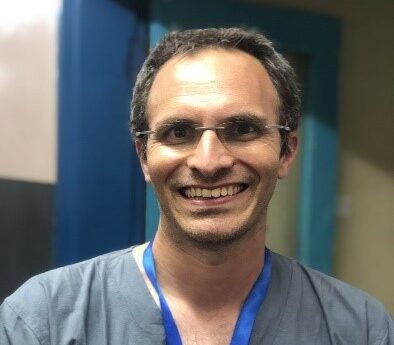
Dr Felix Limbani is a Senior Research Associate, and expert in social science and health systems at Malawi Liverpool Wellcome Research Programme (MLW). He is an honorary researcher with Liverpool School of Tropical Medicine (LSTM) and University of the Witwatersrand. Felix has been the co-Director for Multilink study (2021-2025), leading a multidisciplinary team in NIHR-funded study, designing and testing a system which identifies patients suffering from multimorbidity during emergency assessment in hospitals in Malawi and Tanzania.  He is the current coordinator of the African Multimorbidity Alliance. As trial manager, Felix has previously delivered an MRC-funded randomized controlled trial on integrated chronic disease management at in South Africa.  Felix has also led the Social Science theme for the NIHR Global Health Group on Sepsis (ARCS), where he contributed to a global Delphi consultation process to develop standards for sepsis care. His recent work has documented important health system and inpatient perspectives during the pivot to COVID-19 management in Malawi, providing valuable insights into the challenges and strategies for managing respiratory diseases in LMICs. His experience includes supervising PhD and Masters students. Felix has authored a range of publications which can be accessed from here, including one on Facilitating high quality acute care in resource-constrained environments: Perspectives of patients recovering from sepsis, their caregivers and healthcare workers in Uganda and Malawi

Malawi Accelerated Research in Vaccines by Experimental and Laboratory Systems (MARVELS)

Stephen has conducted clinical and translational research in the UK and Africa since 1993; his research in pulmonary disease in Malawi began in 1997. His initial research focus was on HIV-associated lung macrophage functional defects, specifically against pneumonia. He subsequently expanded his interest to include the effect of household air pollution on pulmonary defence including a landmark cook stove intervention trial published in Lancet. His current research focuses on defence against respiratory infection using a pneumococcal challenge model. This model was developed in Liverpool, transferred to Malawi and is now being used to explain the relative lack of herd immunity following pneumococcal conjugate vaccine implementation in Malawi. New studies focus on more resistant serotypes, populations at risk including people living with HIV, and new immunomodulatory agents as well as new vaccines. Future projects include TB human challenge studies to bring forward vaccine discovery in Malawi. As Director of the Malawi Liverpool Wellcome programme (2015-2022), Stephen led with a vision of “research to benefit health and training the next generation of researchers”. He was known for developing Research Groups and a training programme that nurtured trainees from postgraduate to Professor level. Prior to that, he developed the Pan African Thoracic Society research training programme, which has resulted in a network of respiratory research across Africa. During the COVID times in Malawi, he and others brought an oxygen plant to Queen Elizabeth Central Hospital, saving many lives at the time and in the future. Currently Stephen leads the CREATOR (Clinical Research Excellence and Training Open Resource) programme, a £10m project and building aiming to change the paradigm of clinical specialist and research training in Africa by combining these in-country in Malawi. Stephen is now Professor of Global Respiratory Medicine at the University of Edinburgh, and Director of Experimental Medicine at the Infection Innovation Consortium in the Liverpool School of Tropical Medicine (iiCON, https://www.infectioninnovation.com/ ). His work focuses on translational clinical research and capacity building to realise global health impact.

Infection and Immunity
Pathogen and Antimicrobial Dynamics (DYNAMAR)
Clinical and Laboratory Malaria
Blantyre Malaria Project
Mucosal Immunology
Maternal and Child Health
Genomic Epidemiology and Antimicrobial Resistant Microbes (GEARM)
national-institute-of-allergy-and-infectious-diseases-SyUrj2dO_H0-unsplash

As a Theme, we have adopted two overarching Approaches in the design of our Methods. These: 1. We support CEM ...