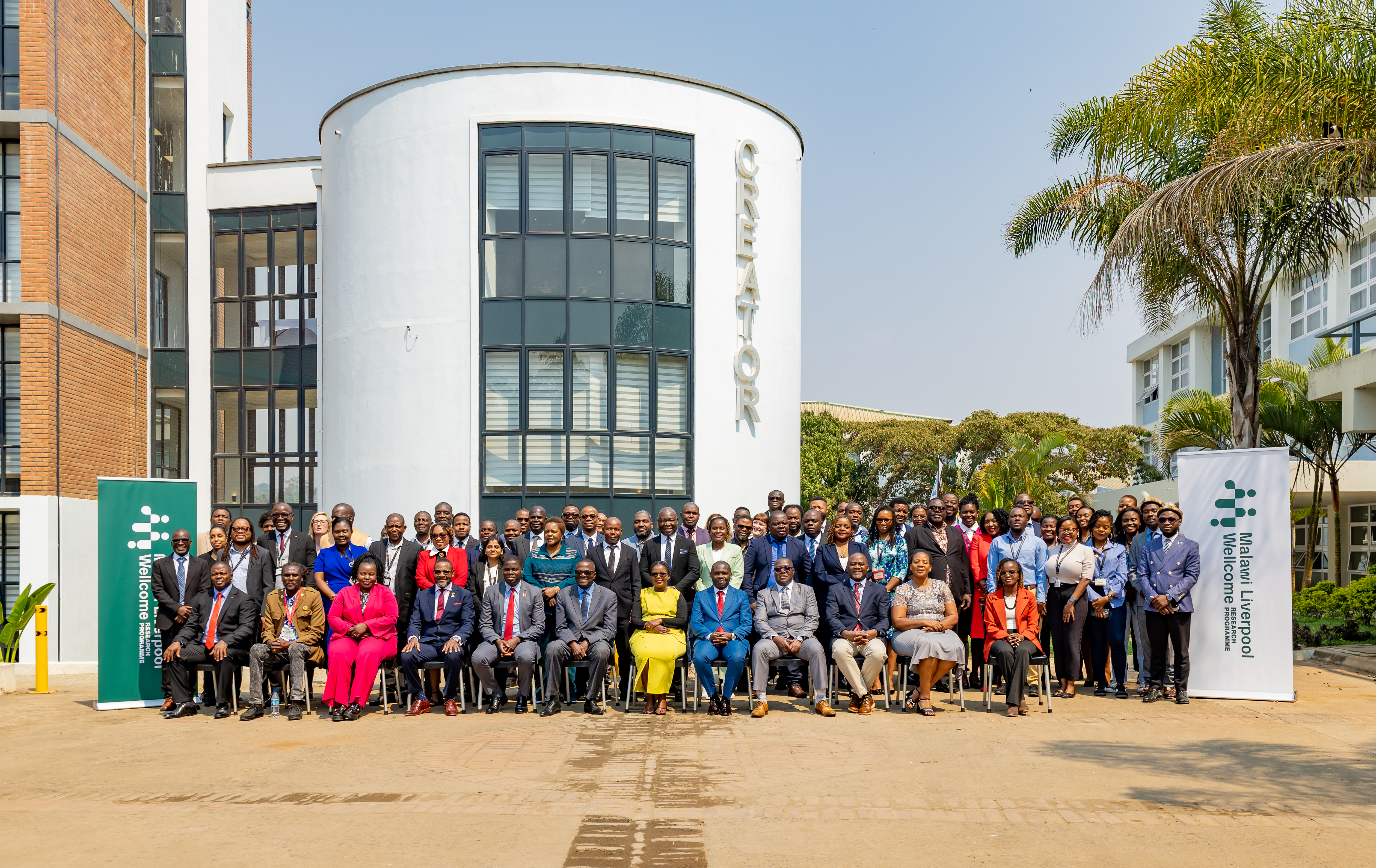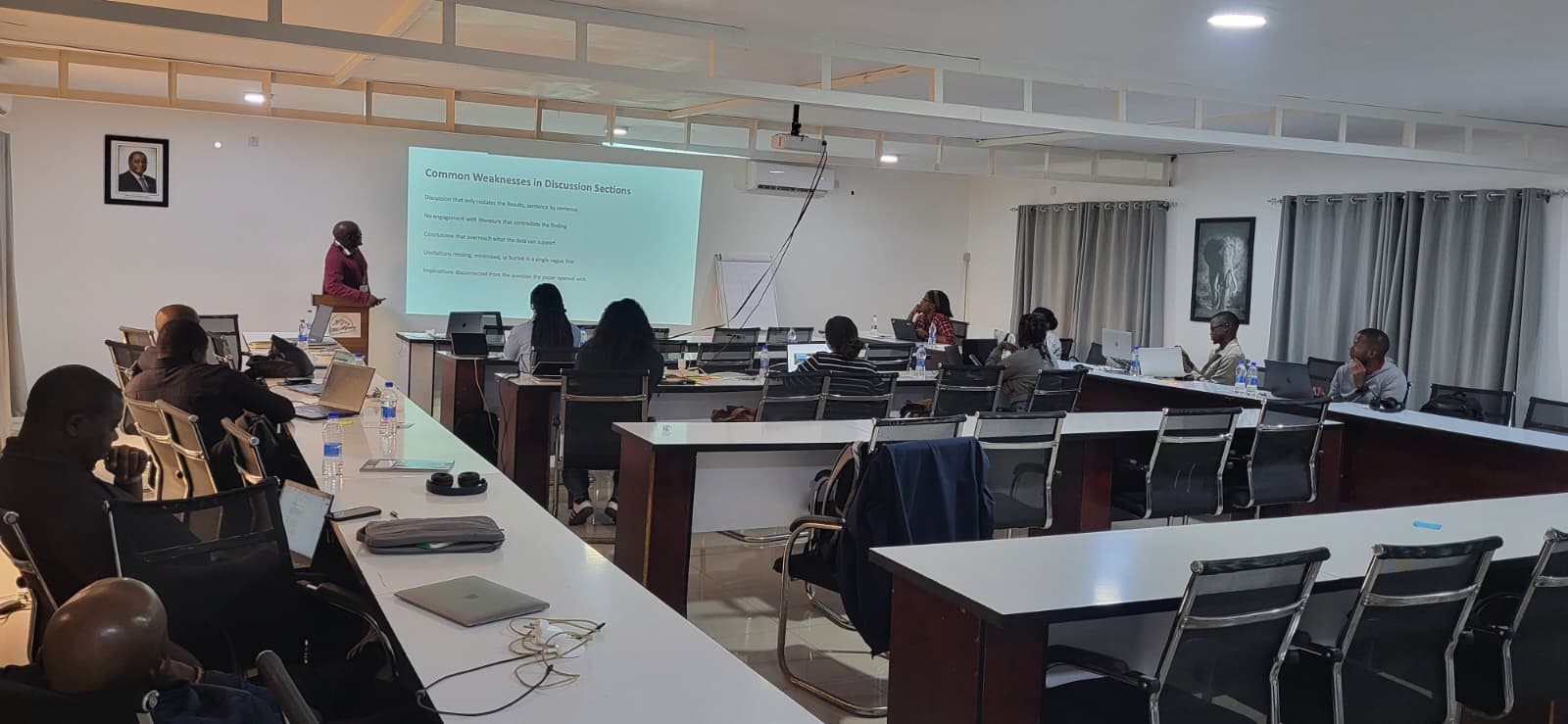
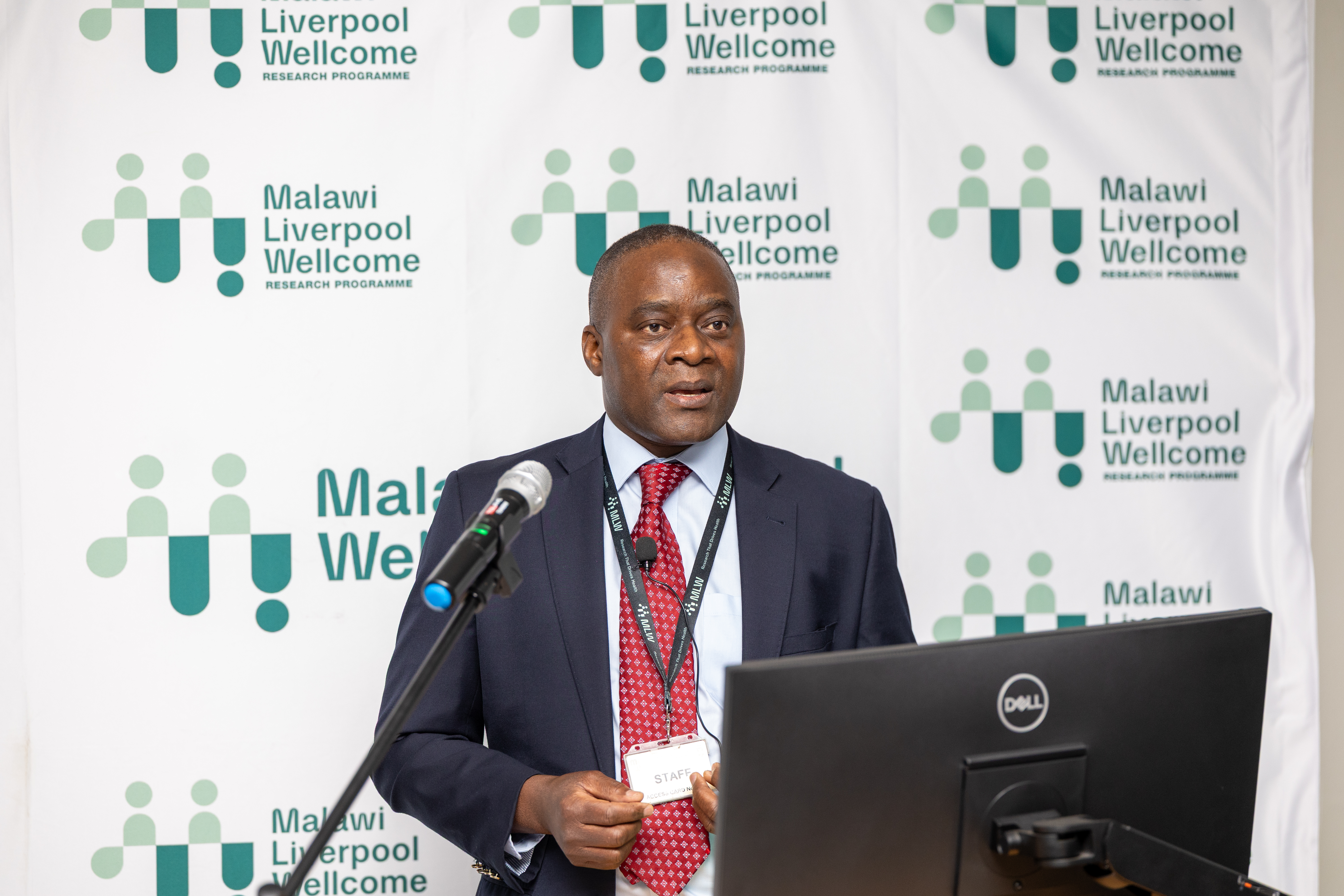
Malawi-Liverpool-Wellcome Research Programme (MLW) Director Professor Henry Mwandumba says African scientists are best placed to solve the continent’s public health challenges.
According to Mwandumba, leaning too heavily on outsiders has the potential to prolong the challenges.
In an interview, Mwandumba said, by building the skills and environment needed for African-led research and innovation, Africa has made real progress over the past decade.
“There is a big movement now, with people saying, ‘Come on, we have the expertise on the continent, and we understand what we are dealing with. Can we take the next step and use that knowledge to develop the tools we need to diagnose these diseases, while also thinking about what treatments and preventive measures we can put in place,” Mwandumba said.
He pointed to the establishment of a continental medicines regulatory body for Africa as one sign of that shift, a move toward addressing health crises using locally generated knowledge rather than waiting for outside help. Without such structures, he said, outbreaks like Ebola in West Africa and in the Democratic Republic of Congo have been harder to bring under control, in part because diagnostic tools had to be developed elsewhere and imported.
Mwandumba also stressed that no research effort succeeds without strong public engagement, calling it the foundation of trust between researchers and the communities they serve.
“Any research institution that doesn’t have strong community or public engagement in our setting is usually viewed with suspicion. I think this boils down to the fact that, for a long time, people in Africa have convinced themselves that we are not capable of producing drugs or vaccines on the continent, and therefore anything we produce will be substandard. That’s really untrue now,” he said.
“What is already happening is that major research programmes across the continent in South Africa, Kenya, West Africa, and here have a really strong community engagement component. We need communities and the public to understand what research is being done, why we are doing it, and how it might benefit the countries and communities where it is taking place.”
Turning to his own research, Mwandumba highlighted the M72 tuberculosis vaccine trial, in which MLW is a participating site, as potentially transformative work in the fight against a disease he ranks among Malawi’s deadliest infectious threats.
Funded by Wellcome and the Gates Foundation, the Phase 3 trial is being conducted across five countries – Malawi, South Africa, Kenya, Zambia, and Indonesia and has already enrolled 20,000 participants. In earlier Phase 2 testing, the vaccine showed 50% efficacy, which Mwandumba says would represent a major breakthrough at scale, given the number of people who develop active TB each year.
If successful, M72 would represent the most promising advance in TB vaccine development since BCG, which has been in use for more than a century.