Stronger collaboration among health researchers, policymakers and Parliament could help Malawi turn scientific evidence into better health policies, stronger health systems and improved health outcomes for Malawians.
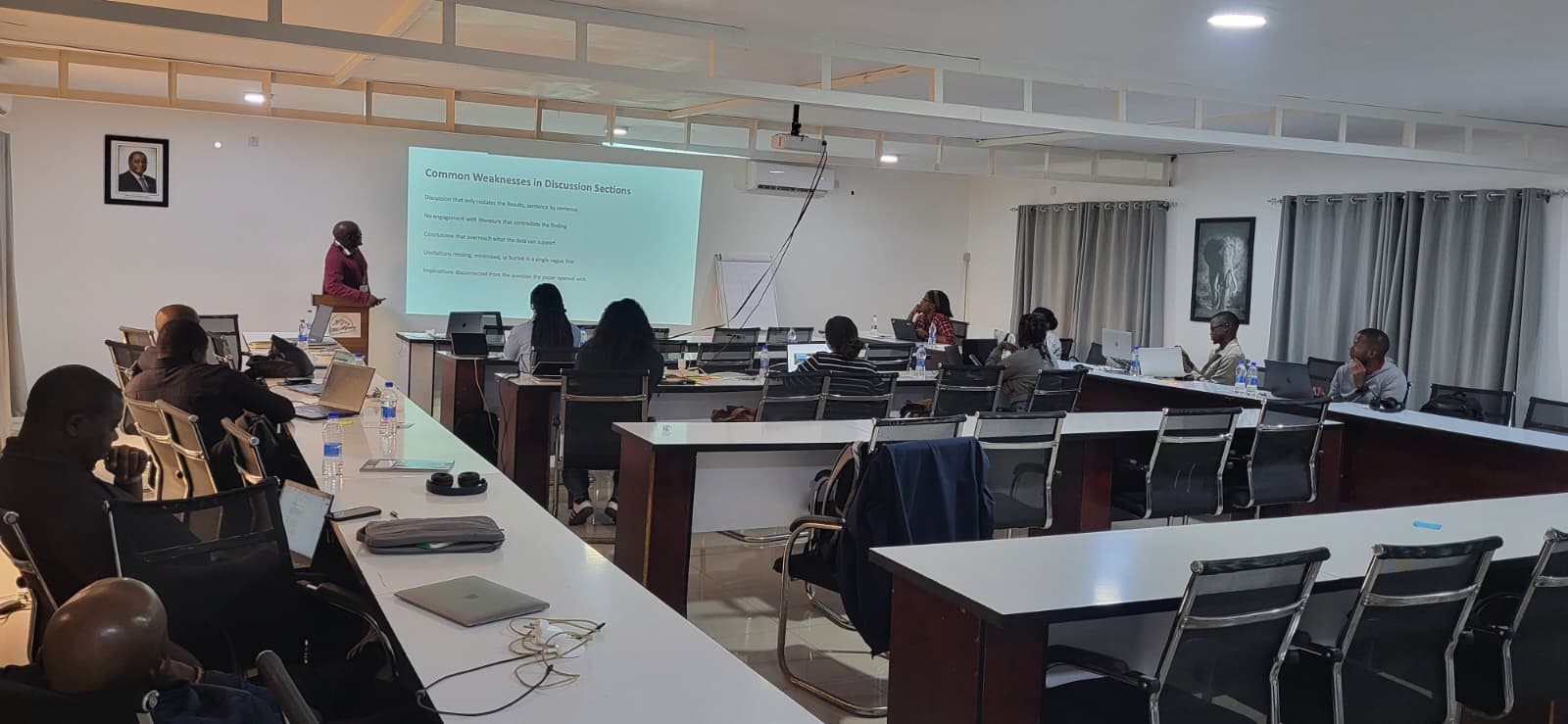
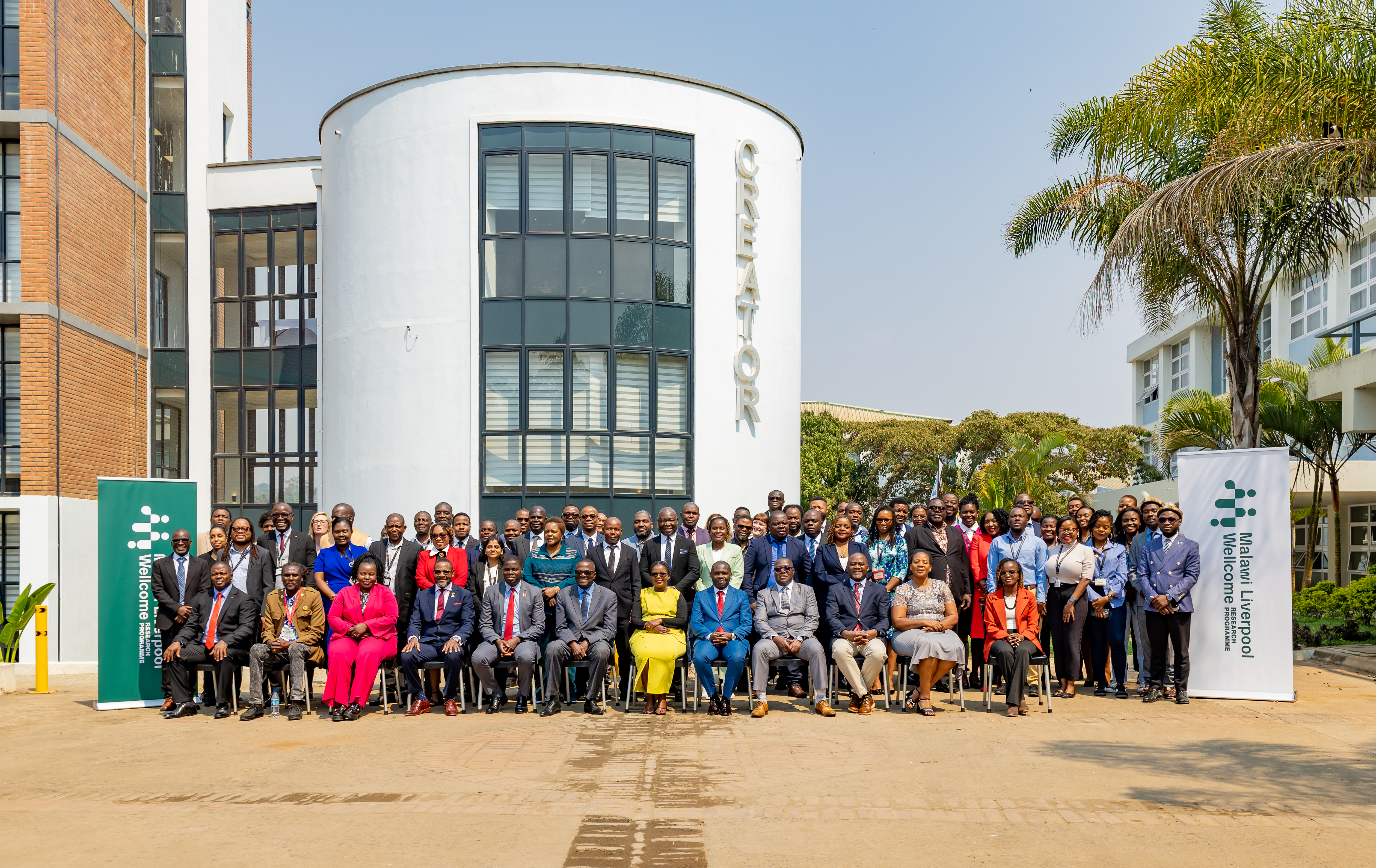
This was the key message during an engagement that the Malawi Liverpool Wellcome Research Programme (MLW), the Parliamentary Committee on Health and key health sector stakeholders had in Blantyre from September 2 to 3, 2026.
The engagement, held under the theme “Fostering Sustainable Health Policies in Malawi”, brought together the Parliamentary Committee on Health, Ministry of Health, Kamuzu University of Health Sciences (KUHeS) and Queen Elizabeth Central Hospital (QECH).
Participants highlighted the need for evidence generated in Malawi to directly inform national health priorities, legislation, policy and practice instead of leaving viable research papers within academic and scientific institutions.
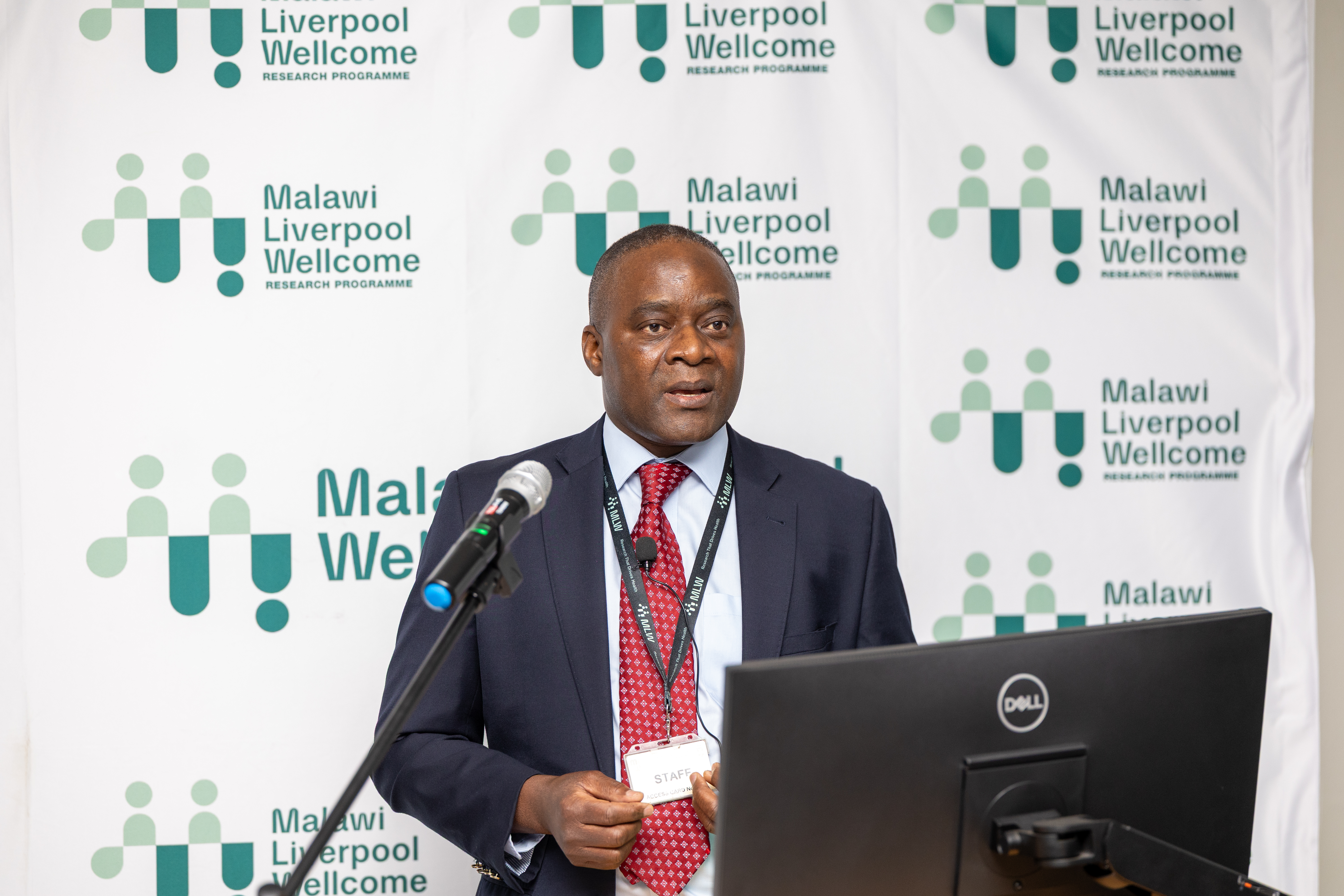
MLW Director Professor Henry Mwandumba said research has the greatest value when it addresses the realities and priorities of the communities and health systems it is conducted.
“MLW’s vision is to become an Africa-based beacon of excellence leading impactful health research that drives innovation, policy and practice. Its mission combines high-quality research with the training of the next generation of researchers and leaders,” said Mwandumba.
The approach places research as a practical resource for addressing Malawi’s health challenges and supporting decision-makers to develop interventions based on evidence rather than assumptions.
Secretary for Health and Sanitation Dr Dan Namarika said closer collaboration between policymakers, Parliament and research institutions was essential to ensuring that research responds to the country’s priority health challenges and translates into practical solutions.
“Stronger collaboration will help us generate research that improves the wellbeing of Malawians and provides the evidence needed to guide policy and decision-making,” Namarika said.
He added that evidence was critical to strengthening the health systems ability to respond to both existing and emerging health needs.
“Evidence-based research is essential for understanding the challenges facing our health system and for building resilient health systems that can respond effectively to both emerging and existing health needs,” he said.
The need for stronger research-policy linkages comes at a critical time as the Ministry of Health reviews the Public Health Act and other health-related legislation.
The review presents an opportunity for scientific evidence and lessons from health research conducted in Malawi to inform the country’s legal and policy framework, particularly as the health sector responds to changing disease patterns, emerging health threats and pressure on limited resources.
For institutions such as MLW, this creates an avenue for research findings to move beyond scientific publications and contribute directly to decisions that affect how health services are planned, financed and delivered.
The collaboration could also help policymakers identify priority areas for research, while enabling researchers to better understand the evidence needs of government and Parliament. Such a two-way relationship can increase the likelihood that research addresses real-world challenges and that its findings are translated into action.
The engagement underscored the importance of building sustained relationships between research institutions and decision-makers, with the ultimate goal of ensuring that scientific evidence contributes to stronger health policies, more effective health services and better health outcomes for Malawians.
For Malawi, the impact of research will ultimately be measured not only by the number of studies conducted or scientific publications produced, but by how effectively that knowledge is translated into policies and practices that improve the lives of people.