Communities hardest hit by climate change in Mangochi and Zomba districts are set to benefit from a landmark research initiative that aims to strengthen resilience against climate-related hunger, poor nutrition, and mental health challenges.
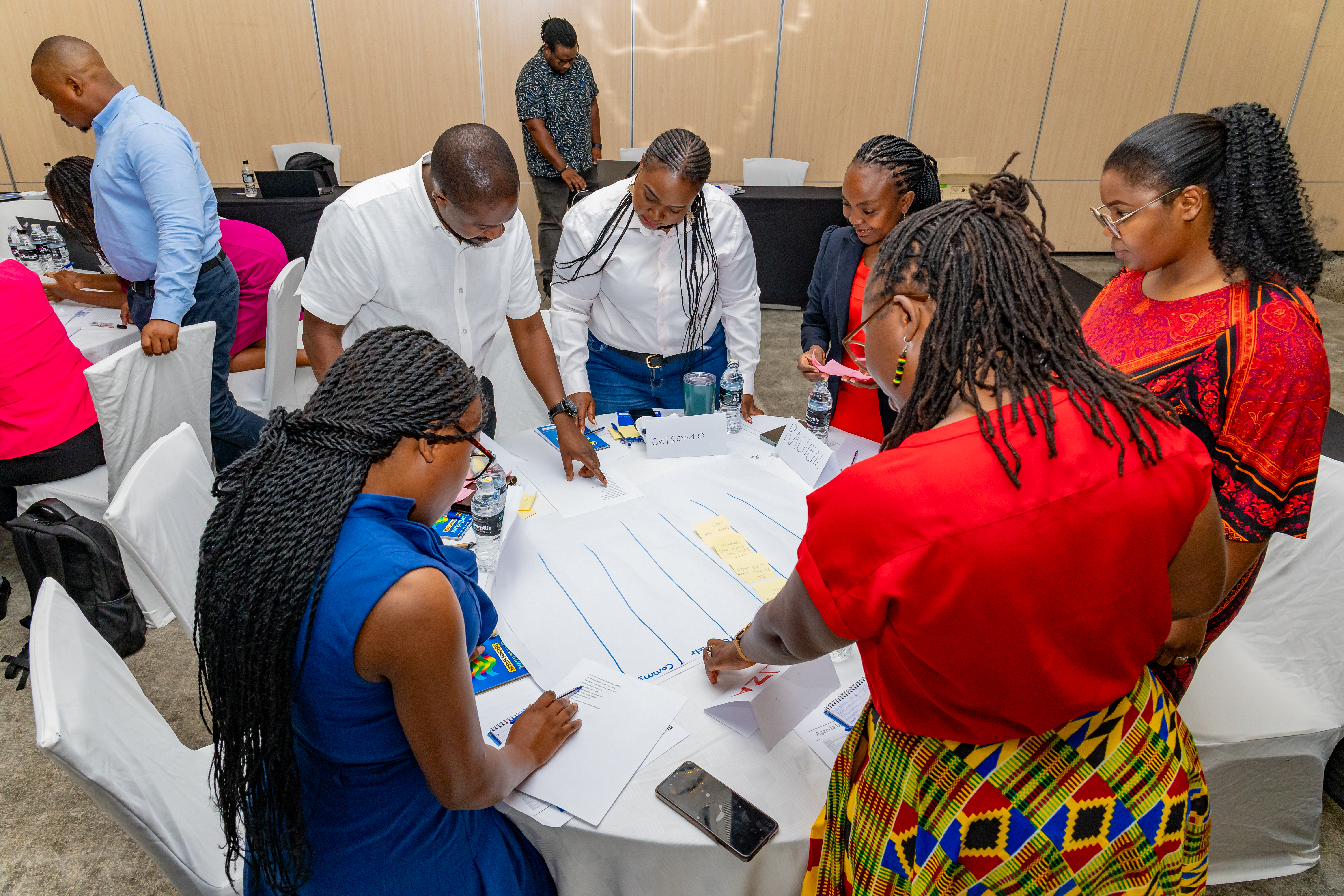
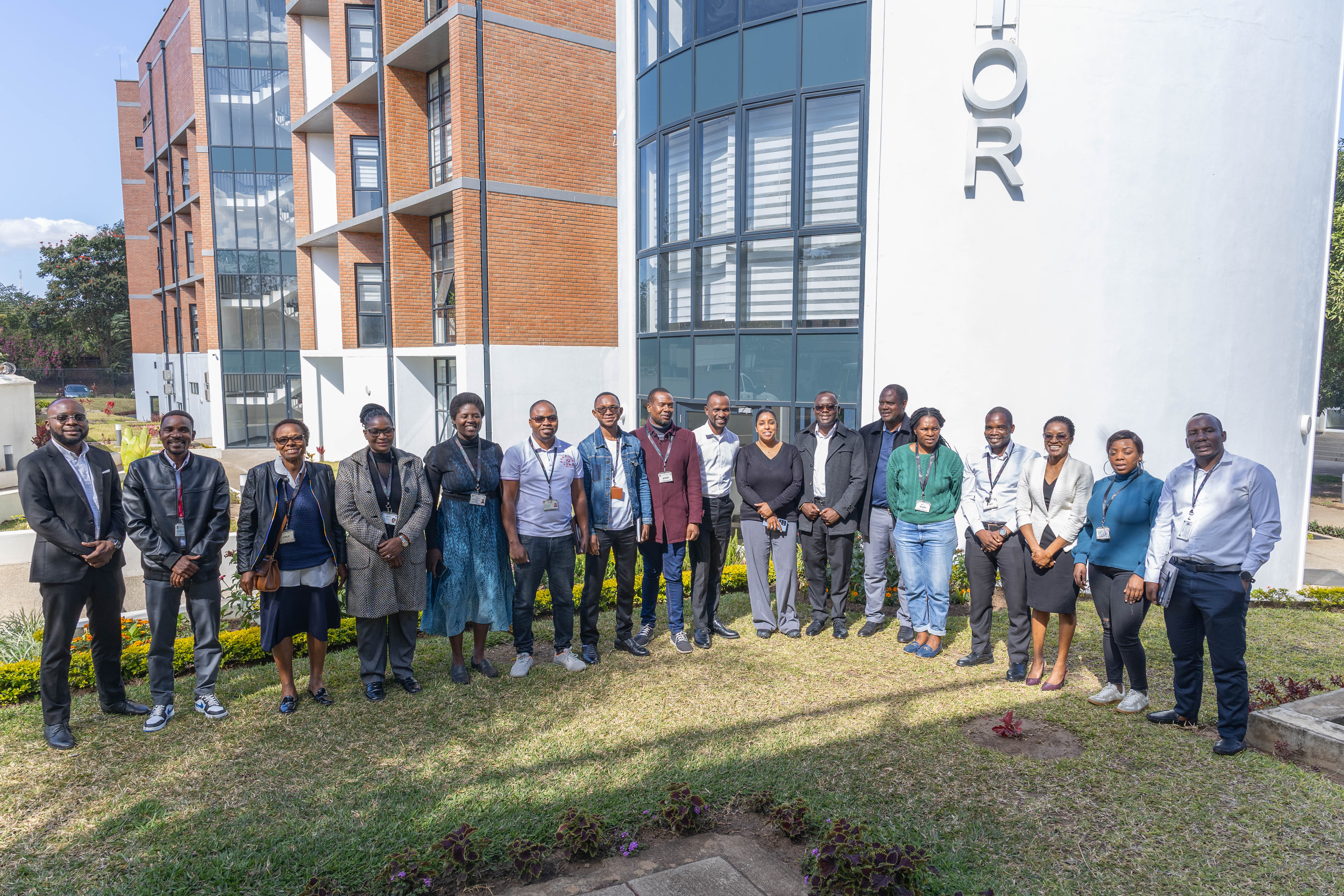
The Transforming Health, Community Resilience, and Inclusion in Vulnerable Environments affected by Extreme Weather Events in Malawi (THRIVE) Study officially commenced with an inception meeting held from 11–13 May 2026 at the Malawi-Liverpool Wellcome Research Programme (MLW) in Blantyre. The meeting brought together representatives from the Ministry of Health, Ministry of Agriculture, Kamuzu University of Health Sciences (KUHeS), the University of Liverpool, civil society organisations, and community leaders to lay the foundation for a collaborative response to the growing health impacts of climate change.
The study comes at a critical time as communities continue to recover from devastating climate events such as Cyclone Freddy, which exposed the deep links between extreme weather, food insecurity, disrupted livelihoods, and declining mental wellbeing.
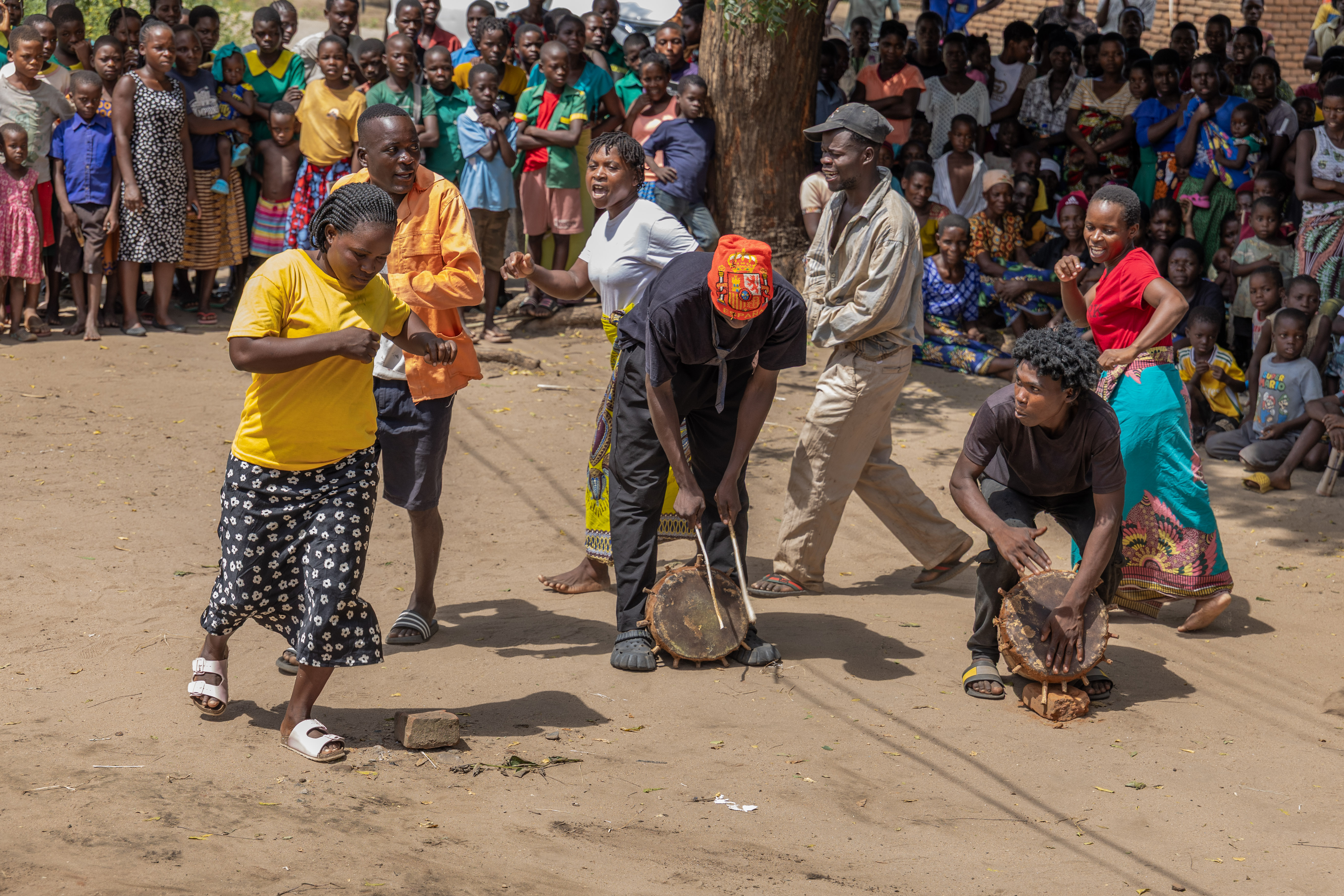
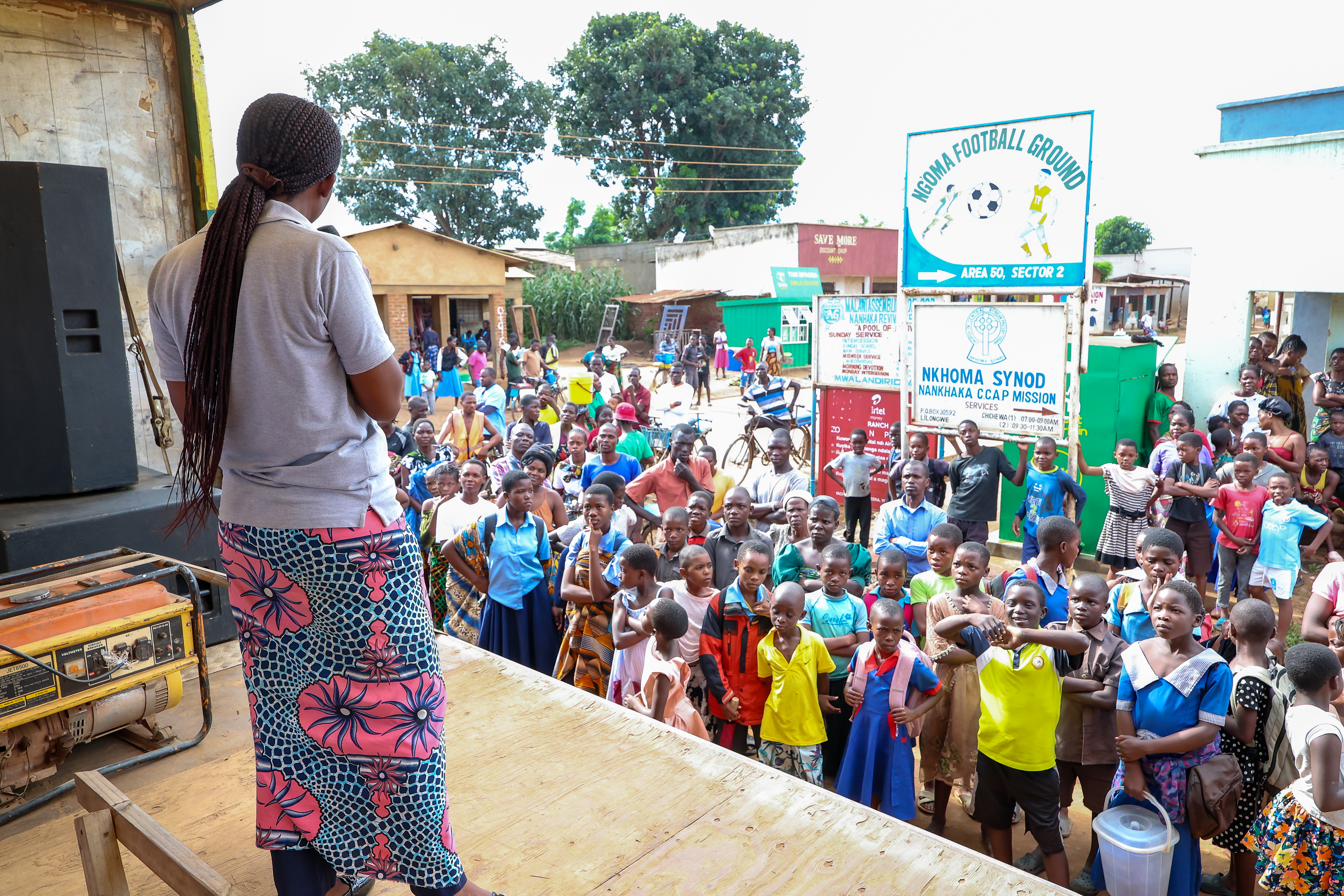
Unlike traditional research projects, THRIVE places communities at the centre of developing solutions. Smallholder farmers and fishing households will work alongside researchers and policymakers to identify practical, locally driven strategies that strengthen resilience before, during, and after climate shocks.
Speaking during the inception meeting, Associate Professor Maryse Kok, THRIVE Consortium Lead in Malawi, underscored the importance of working closely with government and key stakeholders.
“Engaging different relevant stakeholders helps align the project with strategies already developed by various government ministries and departments. This will help reduce duplication and overlap of activities.”
Through this collaborative approach, the study is expected to strengthen community knowledge on nutrition and mental health during climate emergencies, develop evidence-based resilience strategies, improve coordination between health and agriculture services, and generate risk maps and early-warning tools to support local planning.
Government stakeholders welcomed the initiative, describing it as an opportunity to strengthen systems that protect vulnerable populations from the growing impacts of climate change.
“We are expecting a THRIVE Study that will strengthen systems and strategies with the aim of building community resilience,” said a Ministry of Health representative.
Beyond generating evidence, THRIVE is designed to influence policy at district, national, regional, and global levels. The study aligns with Malawi 2063, the National Health Adaptation Plan, the African Union’s Agenda 2063, the SADC Climate Change Strategy, and the United Nations Sustainable Development Goals.
As climate shocks become more frequent, THRIVE represents an investment not only in research but in people. By empowering communities to co-create solutions, the study aims to leave behind stronger health systems, informed policies, and resilient communities better prepared for the challenges of a changing climate.