Zuze Matoliro

Stephen & Melita Bid MLW farewell

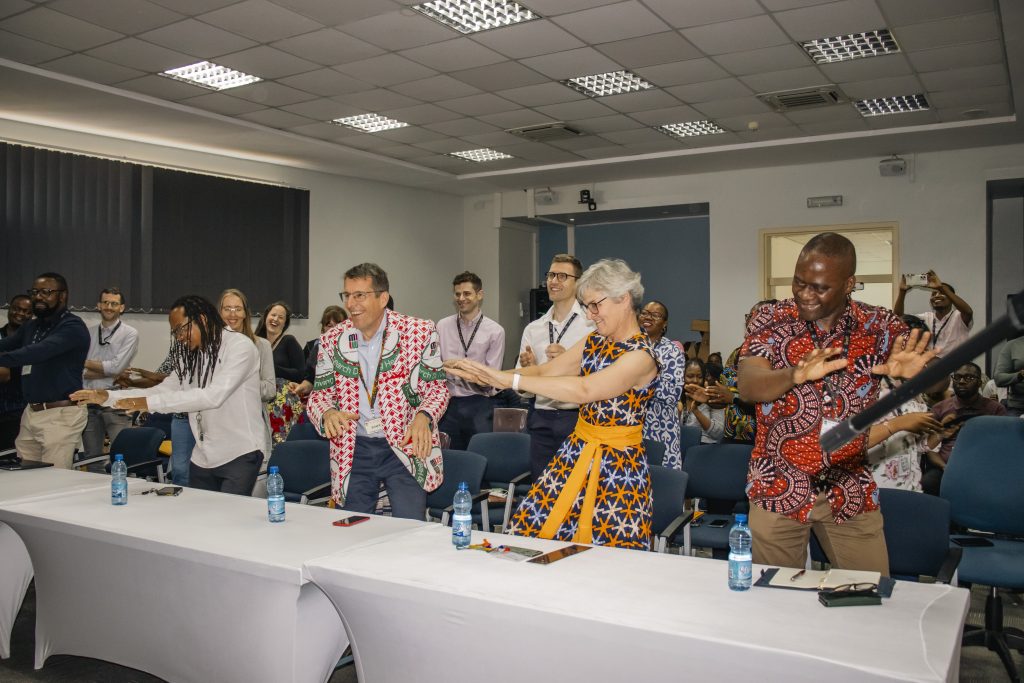
After nearly 3 decades of living and working in Malawi at MLW, the Gordons have bid farewell, as they plan to relocate to the UK with their family. The Gordons have been instrumental in setting up and leading MLW to its current success. From participating in life changing studies, to securing funding for studies, and training up and coming researchers, they have diligently given their best efforts, knowledge and guidance to the success of the institution. In honor of their contribution to the institution, SMT organized a farewell party for them where colleagues could come and celebrate them together, with the Gordons delivering their final lectures. In her farewell lecture, Dr. Melita shared on the importance of continued efforts, indicating that progress of health research such as vaccine development for iNTS diseases to Typhoid, are ‘marathons and not sprints’. “Looking at my work exhausts me; it represents massive amount of work which is all necessary to provide evidence to move the work forward. And most of this work took years just to get to where we are now”. Dr. Melita went on to share some of her most memorable moments over the last 28 years of working and living in Malawi. “It does strike me that in the last few years things have really accelerated. There has been a lot of crises and a lot to deal with but look at the things that have come through. So many amazing high moments that Malawi has seen in the last 4 years. One triumph I would like to highlight was during the Covid-19 pandemic because of the role the hospital (QECH) played. We came together to create this campaign called “bump it forward” where people in the UK who had received their covid vaccine could donate funds to be used to buy PPE here in Malawi as we waited for the vaccine to arrive. We raised a little more than a quarter million British pounds, which came in handy for the QECH operations during that time to date. This was an inspirational movement which kept healthcare workers safe.” Stephen’s lecture, which he titled “It’s Even Better than I Thought”, was a glimpse into his life’s experiences in Malawi over the past three decades. “Many of you don’t know this, but I failed my PhD the first time. Not every PhD is a success, but I got it eventually. And you must know, you can get it done too. That is why even though I was not always successful, I was joyful in my work”. “I absolutely bless Henry as he goes forward with leading MLW; I think it’s a fantastic job leading such a terrific group of people,” he said.

Stephen & Melita Bid MLW farewell Read More »
Innovative Approach to Pneumococcal Vaccine Trials

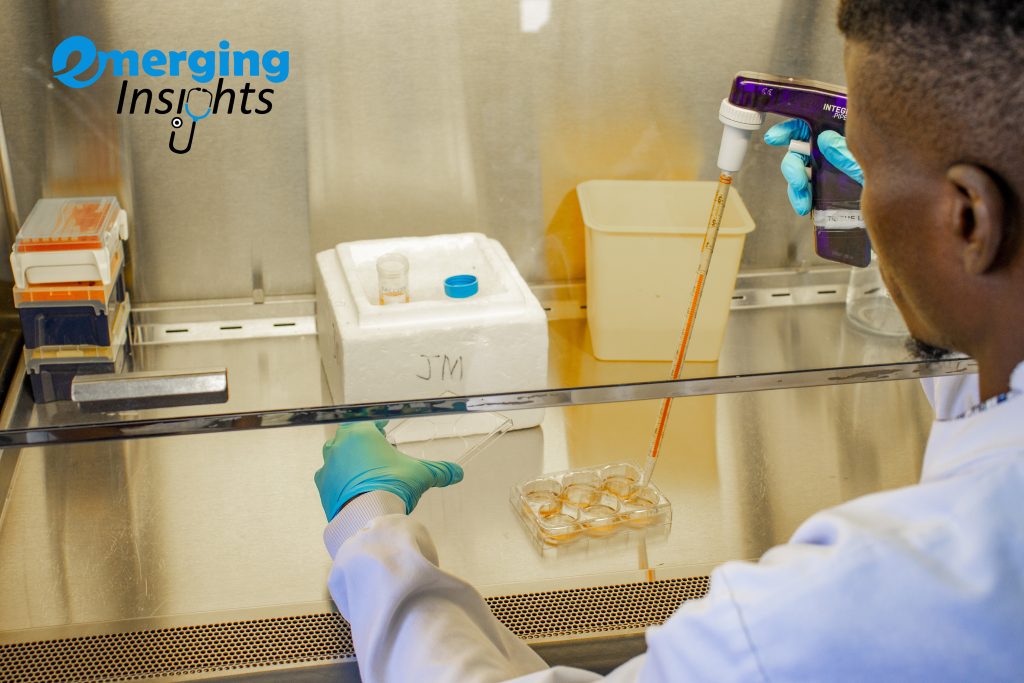
During the August episode of Emerging Insights, MLW’s flagship Television Programme Anthony Chirwa, a physician under the Malawi Accelerated Research in Vaccines Experimental Laboratory Systems (MARVELS) said after establishing a robust model for testing pneumococcus and vaccines, and they are now expanding to include special populations, particularly people living with HIV. This work aims to shape future vaccination policies for at-risk groups. MLW is conducting a controlled human infection model (CHIM) study under the MARVELS project, an innovative approach that involves deliberately introducing an infectious organism to healthy volunteers to study the disease process and immune responses. Over the past five years, the MARVELS project has developed a pneumococcal CHIM to study the pneumococcus bacterium, which causes diseases like pneumonia, ear infections, and meningitis. The project collaborates closely with the government of Malawi through the Blantyre District Health Office, various communities in Blantyre, community leaders, and health workers at Queen Elizabeth Central Hospital. The team conducted consultations with stakeholders in 2017 to ensure the model’s acceptability in Malawi, and by 2019, initial trials with 24 participants demonstrated the model’s safety and feasibility. In 2021, the team successfully used this model to evaluate the pneumococcal conjugate vaccine (PCV13) in 204 participants. Edward Mangani, a research nurse with MARVELS, outlined the eligibility criteria for participants: “Eligible participants include those aged between 18 and 45, living within an hour’s walking distance from Queen Elizabeth Central Hospital, not pregnant, and having a cellphone for communication. We also conduct HIV tests as we are currently only working with those who are HIV-negative.” Mangani further emphasized the importance of participation in the CHIM study, likening it to past volunteer efforts for drugs like ibuprofen and ARVs. By volunteering, participants help test vaccine efficacy, ultimately contributing to a healthier population in Malawi and beyond. To learn more about the study watch the video on this link: https://www.youtube.com/watch?v=LIVduAGeHLU&t=560s

Innovative Approach to Pneumococcal Vaccine Trials Read More »

Innovative Approach to Pneumococcal Vaccine Trials

During the August episode of Emerging Insights, MLW’s flagship Television Programme Anthony Chirwa, a physician under the Malawi Accelerated Research in Vaccines Experimental Laboratory Systems (MARVELS) said after establishing a robust model for testing pneumococcus and vaccines, and they are now expanding to include special populations, particularly people living with HIV. This work aims to shape future vaccination policies for at-risk groups. MLW is conducting a controlled human infection model (CHIM) study under the MARVELS project, an innovative approach that involves deliberately introducing an infectious organism to healthy volunteers to study the disease process and immune responses. Over the past five years, the MARVELS project has developed a pneumococcal CHIM to study the pneumococcus bacterium, which causes diseases like pneumonia, ear infections, and meningitis. The project collaborates closely with the government of Malawi through the Blantyre District Health Office, various communities in Blantyre, community leaders, and health workers at Queen Elizabeth Central Hospital. The team conducted consultations with stakeholders in 2017 to ensure the model’s acceptability in Malawi, and by 2019, initial trials with 24 participants demonstrated the model’s safety and feasibility. In 2021, the team successfully used this model to evaluate the pneumococcal conjugate vaccine (PCV13) in 204 participants. Edward Mangani, a research nurse with MARVELS, outlined the eligibility criteria for participants: “Eligible participants include those aged between 18 and 45, living within an hour’s walking distance from Queen Elizabeth Central Hospital, not pregnant, and having a cellphone for communication. We also conduct HIV tests as we are currently only working with those who are HIV-negative.” Mangani further emphasized the importance of participation in the CHIM study, likening it to past volunteer efforts for drugs like ibuprofen and ARVs. By volunteering, participants help test vaccine efficacy, ultimately contributing to a healthier population in Malawi and beyond. To learn more about the study watch the video on this link: https://www.youtube.com/watch?v=LIVduAGeHLU&t=560s

Innovative Approach to Pneumococcal Vaccine Trials Read More »

MLW Researchers Share Insights at the 12th Annual Global Health Bioethics Network Summer School in Malaysia

The 12th annual Global Health Bioethics Network (GHBN) Annual Summer School took place from 19 to 23 August bringing together a diverse group of academics, ethicists and community engagement professionals to deep dive on bioethical issues in research. With topics ranging from Mental Health, Artificial Intelligence and emerging technologies, the 40 plus multinational delegates including four from the Malawi Liverpool Wellcome Research Programme (MLW) convened in Kuala Lumpur, Malaysia. The GHBN Summer School, deliberately aims to spotlight bioethical complexities and dilemmas often faced in research work, creating and promoting open and honest dialogue on such issues. Participants come together ready to share their experiences from their line of work from the bioethics perspective and engage in discussions with their peers in the GHBN network. Dr. Deborah Nyirenda, Associate Group Head of the Community Engagement and Bioethics group and MLW shared about the “Responsive Dialogues: Engaging communities to address AMR in Malawi” community engagement project which took place from 2020 to 2021. She spoke about the experience conducting the project at the height of the COVID19 pandemic. Blessings Kapumba, a social scientist and postdoctoral research associate at MLW, shared his experiences navigating ethical challenges as an ethnographer under the Shire Vec study in Chikwawa. Living with community members within the location of the upcoming government funded irrigation project in the Shire Valley, Blessings is investigating key behavioural practices within smallholder farming communities related to vector-borne disease risks in Malawi. Lindiwe Mafuleka, Communications and Public Engagement Manager at MLW, described the key community engagement initiatives which create and sustain two-way dialogue and lasting relationships between researchers and the community; an ethical requirement in research. She also highlighted a recent collaborative community engagement project with the New York Based Center for New Democratic Processes (CNDP) that took place in May 2024. The project brought together a ‘Citizen Jury’ of 18 community members to dialogue about anti-microbial resistance. The deliberations from the citizen jury will be presented at the 2024 United Nations General Assembly in the United States of America. Wezi Lora, Post-doctoral Research Associate at MLW shared her work on investigating the acceptability of COVID-19 self-testing in Blantyre Malawi focusing on the nuances involved in rolling out this health innovation. Each year, the Summer school is organized by the Ethox Center, a coordinator of the GHBN network under the University of Oxford. This year the summer school was co organized with the University of Malaya in Malaysia.  

MLW Researchers Share Insights at the 12th Annual Global Health Bioethics Network Summer School in Malaysia Read More »

MLW Researchers Share Insights at the 12th Annual Global Health Bioethics Network Summer School in Malaysia

The 12th annual Global Health Bioethics Network (GHBN) Annual Summer School took place from 19 to 23 August bringing together a diverse group of academics, ethicists and community engagement professionals to deep dive on bioethical issues in research. With topics ranging from Mental Health, Artificial Intelligence and emerging technologies, the 40 plus multinational delegates including four from the Malawi Liverpool Wellcome Research Programme (MLW) convened in Kuala Lumpur, Malaysia. The GHBN Summer School, deliberately aims to spotlight bioethical complexities and dilemmas often faced in research work, creating and promoting open and honest dialogue on such issues. Participants come together ready to share their experiences from their line of work from the bioethics perspective and engage in discussions with their peers in the GHBN network. Dr. Deborah Nyirenda, Associate Group Head of the Community Engagement and Bioethics group and MLW shared about the “Responsive Dialogues: Engaging communities to address AMR in Malawi” community engagement project which took place from 2020 to 2021. She spoke about the experience conducting the project at the height of the COVID19 pandemic. Blessings Kapumba, a social scientist and postdoctoral research associate at MLW, shared his experiences navigating ethical challenges as an ethnographer under the Shire Vec study in Chikwawa. Living with community members within the location of the upcoming government funded irrigation project in the Shire Valley, Blessings is investigating key behavioural practices within smallholder farming communities related to vector-borne disease risks in Malawi. Lindiwe Mafuleka, Communications and Public Engagement Manager at MLW, described the key community engagement initiatives which create and sustain two-way dialogue and lasting relationships between researchers and the community; an ethical requirement in research. She also highlighted a recent collaborative community engagement project with the New York Based Center for New Democratic Processes (CNDP) that took place in May 2024. The project brought together a ‘Citizen Jury’ of 18 community members to dialogue about anti-microbial resistance. The deliberations from the citizen jury will be presented at the 2024 United Nations General Assembly in the United States of America. Wezi Lora, Post-doctoral Research Associate at MLW shared her work on investigating the acceptability of COVID-19 self-testing in Blantyre Malawi focusing on the nuances involved in rolling out this health innovation. Each year, the Summer school is organized by the Ethox Center, a coordinator of the GHBN network under the University of Oxford. This year the summer school was co organized with the University of Malaya in Malaysia.  

MLW Researchers Share Insights at the 12th Annual Global Health Bioethics Network Summer School in Malaysia Read More »

Emerging Insights-Innovative Approach to Pneumococcal Vaccine Trials

During the August episode of Emerging Insights, MLW’s flagship Television Programme Anthony Chirwa, a physician under the Malawi Accelerated Research in Vaccines Experimental Laboratory Systems (MARVELS) said after establishing a robust model for testing pneumococcus and vaccines, and they are now expanding to include special populations, particularly people living with HIV. This work aims to shape future vaccination policies for at-risk groups. MLW is conducting a controlled human infection model (CHIM) study under the MARVELS project, an innovative approach that involves deliberately introducing an infectious organism to healthy volunteers to study the disease process and immune responses. Over the past five years, the MARVELS project has developed a pneumococcal CHIM to study the pneumococcus bacterium, which causes diseases like pneumonia, ear infections, and meningitis. The project collaborates closely with the government of Malawi through the Blantyre District Health Office, various communities in Blantyre, community leaders, and health workers at Queen Elizabeth Central Hospital. The team conducted consultations with stakeholders in 2017 to ensure the model’s acceptability in Malawi, and by 2019, initial trials with 24 participants demonstrated the model’s safety and feasibility. In 2021, the team successfully used this model to evaluate the pneumococcal conjugate vaccine (PCV13) in 204 participants. Edward Mangani, a research nurse with MARVELS, outlined the eligibility criteria for participants: “Eligible participants include those aged between 18 and 45, living within an hour’s walking distance from Queen Elizabeth Central Hospital, not pregnant, and having a cellphone for communication. We also conduct HIV tests as we are currently only working with those who are HIV-negative.” Mangani further emphasized the importance of participation in the CHIM study, likening it to past volunteer efforts for drugs like ibuprofen and ARVs. By volunteering, participants help test vaccine efficacy, ultimately contributing to a healthier population in Malawi and beyond. To learn more about the study watch the video on this link: https://www.youtube.com/watch?v=LIVduAGeHLU&t=560s  

Emerging Insights-Innovative Approach to Pneumococcal Vaccine Trials Read More »

Stephen & Melita Bid MLW farewell

After nearly 3 decades of living and working in Malawi at MLW, the Gordons have bid farewell, as they plan to relocate to the UK with their family. The Gordons have been instrumental in setting up and leading MLW to its current success. From participating in life changing studies, to securing funding for studies, and training up and coming researchers, they have diligently given their best efforts, knowledge and guidance to the success of the institution. In honor of their contribution to the institution, SMT organized a farewell party for them where colleagues could come and celebrate them together, with the Gordons delivering their final lectures. In her farewell lecture, Dr. Melita shared on the importance of continued efforts, indicating that progress of health research such as vaccine development for iNTS diseases to Typhoid, are ‘marathons and not sprints’. “Looking at my work exhausts me; it represents massive amount of work which is all necessary to provide evidence to move the work forward. And most of this work took years just to get to where we are now”. Dr. Melita went on to share some of her most memorable moments over the last 28 years of working and living in Malawi. “It does strike me that in the last few years things have really accelerated. There has been a lot of crises and a lot to deal with but look at the things that have come through. So many amazing high moments that Malawi has seen in the last 4 years. One triumph I would like to highlight was during the Covid-19 pandemic because of the role the hospital (QECH) played. We came together to create this campaign called “bump it forward” where people in the UK who had received their covid vaccine could donate funds to be used to buy PPE here in Malawi as we waited for the vaccine to arrive. We raised a little more than a quarter million British pounds, which came in handy for the QECH operations during that time to date. This was an inspirational movement which kept healthcare workers safe.” Stephen’s lecture, which he titled “It’s Even Better than I Thought”, was a glimpse into his life’s experiences in Malawi over the past three decades. “Many of you don’t know this, but I failed my PhD the first time. Not every PhD is a success, but I got it eventually. And you must know, you can get it done too. That is why even though I was not always successful, I was joyful in my work”. “I absolutely bless Henry as he goes forward with leading MLW; I think it’s a fantastic job leading such a terrific group of people,” he said.

Stephen & Melita Bid MLW farewell Read More »
Successful Networking and Insightful Reflections Highlight CRSU Final Meeting of 2023

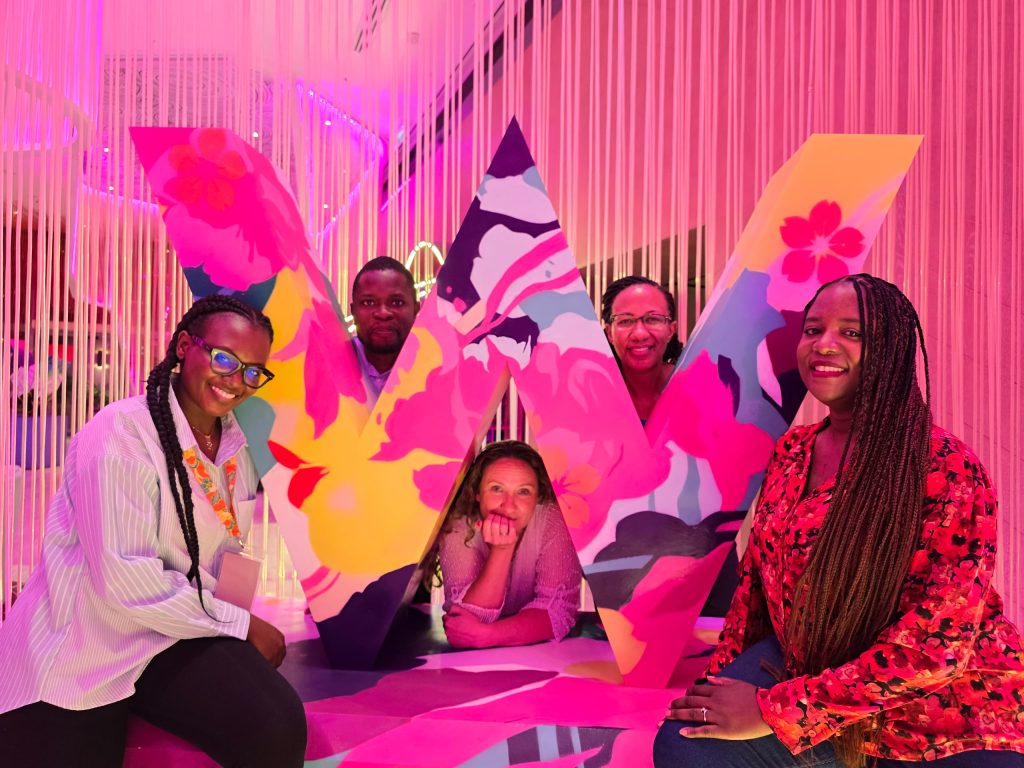
The final quarterly meeting of 2023 for the Clinical Research Support Unit (CRSU) marked a notable success, emphasizing efficiency, fostering valuable networking opportunities, and providing enlightening insights for partners with the Malawi Liverpool Wellcome Programme. Held on 15 December 2023, the event saw active participation from staff across Blantyre and Chikwawa, showcasing a collective commitment to the event. Distinguished representatives from both the Blantyre and Chikwawa district health offices added significance to the occasion. Brian Ngwira, the head of the CRSU department, expressed satisfaction with the positive feedback received during panel meetings with the partners. Ngwira stressed the importance of external feedback in improving the works of the Malawi Liverpool Wellcome Programme, viewing it as a critical eye-opener for identifying and addressing potential shortcomings. He enthusiastically stated, “We are thrilled with the success of the meeting. The valuable information gathered from partners and internal staff, in an informal setting, is like a free lunch for us. This successful event aligns with our goals, contributing to continuous improvement in our work.” One of the guests at the event, Aleck Asima, in charge of Ndirande Health Center, highlighted the crucial role of networking in understanding the operations of the Malawi Liverpool Wellcome Programme. He noted the fruitful interactions that provided insights into ongoing studies and fostered improved relationships. Asima remarked, “Bringing together staff and partners has been fruitful in encouraging networking and facilitating informative interaction sessions. This has deepened our understanding of the institution and identified areas for improvement, benefiting our facilities and enhancing our relationships.” The meeting also recognized outstanding clinical nurses for their exemplary work in 2023, honoring some of the winners Beatrice Chinoko, Madalitso Chiutsi, and Nelson Chasweka. Vera, the chair of the clinical unit, urged other clinical nurses to embrace a spirit of hard work, reinforcing the institution’s commitment to success in clinical research. Functioning as the overseeing department for scientific studies conducted by MLW, the CRSU plays a crucial role from the approval stage to the study’s closure. The event concluded with a lively atmosphere, featuring drama that emphasised how researchers get consent from participants when conducting studies and the importance of a good relationship with the community, and dancing competitions, providing a temporary escape from the day-to-day challenges faced by attendees.

Successful Networking and Insightful Reflections Highlight CRSU Final Meeting of 2023 Read More »

Umoyo N’kukambirana Radio Programme Dedicated to Neglected Tropical Diseases Discussions in January 2024

Designed to promote the understanding of health science and related topics, the Umoyo N’kukambirana Radio Programme spared the month of January 2024 to discuss Neglected Tropical Diseases (NTDs) in Malawi. Aligned to cast rays of knowledge on Schistosomiasis, Soil-transmitted helminths, Scabies, leprosy, Animal bites and Taeniasis, the programme has been highly decorated by the audience for tackling less prioritised health concerns. A Ndirande resident, Justin Nyambwali, who keenly follows the Umoyo N’kukambirana radio programme alluded that in general, the programme is the major source of the valid health information required for informed decision-making. “Umoyo N’kukambirana is key to community and national development it helps us to make wise decisions when it comes to our health and wellbeing in by doing that it is fostering national development through helping us to be physically and mentally strong players in the national development,” Nyambwali shared. He emphasised that through the programme serious lessons have been drawn on health costs that result from the Neglected Tropical Diseases, least prioritised in the country and the region at large. Malawi Liverpool Wellcome Programme (MLW)’s Neglected Tropical Diseases (NTD) Research Group Head Professor Janelisa Musaya said the fight against NTDs requires synchronised efforts among various stakeholders as NTDs rear a huge social-economic burden in the country and global at large. “These diseases are dangerous and are associated with huge financial costs because they take time to manifest their signs in human or animal body are considered deadly. The disease is caused by similar microbes in both animal and human body therefore there is a need for harmonised response and control,” Professor Musaya highlighted. According to the World Health Organisation (WHO) NTDs cause over 200 thousand deaths annually and they rob developing countries of billions of United States dollars through direct health costs, loss of productivity, and reduced socioeconomic and educational attainment. direct health costs, loss of productivity, and reduced socioeconomic and educational attainment.

Umoyo N’kukambirana Radio Programme Dedicated to Neglected Tropical Diseases Discussions in January 2024 Read More »

Umoyo N’kukambirana Radio Programme Dedicated to Neglected Tropical Diseases Discussions in January 2024

Designed to promote the understanding of health science and related topics, the Umoyo N’kukambirana Radio Programme spared the month of January 2024 to discuss Neglected Tropical Diseases (NTDs) in Malawi. Aligned to cast rays of knowledge on Schistosomiasis, Soil-transmitted helminths, Scabies, leprosy, Animal bites and Taeniasis, the programme has been highly decorated by the audience for tackling less prioritised health concerns. A Ndirande resident, Justin Nyambwali, who keenly follows the Umoyo N’kukambirana radio programme alluded that in general, the programme is the major source of the valid health information required for informed decision-making. “Umoyo N’kukambirana is key to community and national development it helps us to make wise decisions when it comes to our health and wellbeing in by doing that it is fostering national development through helping us to be physically and mentally strong players in the national development,” Nyambwali shared. He emphasised that through the programme serious lessons have been drawn on health costs that result from the Neglected Tropical Diseases, least prioritised in the country and the region at large. Malawi Liverpool Wellcome Programme (MLW)’s Neglected Tropical Diseases (NTD) Research Group Head Professor Janelisa Musaya said the fight against NTDs requires synchronised efforts among various stakeholders as NTDs rear a huge social-economic burden in the country and global at large. “These diseases are dangerous and are associated with huge financial costs because they take time to manifest their signs in human or animal body are considered deadly. The disease is caused by similar microbes in both animal and human body therefore there is a need for harmonised response and control,” Professor Musaya highlighted. According to the World Health Organisation (WHO) NTDs cause over 200 thousand deaths annually and they rob developing countries of billions of United States dollars through direct health costs, loss of productivity, and reduced socioeconomic and educational attainment. direct health costs, loss of productivity, and reduced socioeconomic and educational attainment.

Umoyo N’kukambirana Radio Programme Dedicated to Neglected Tropical Diseases Discussions in January 2024 Read More »