Social Sciences
About
Profiles
Research
Blog
Gallery
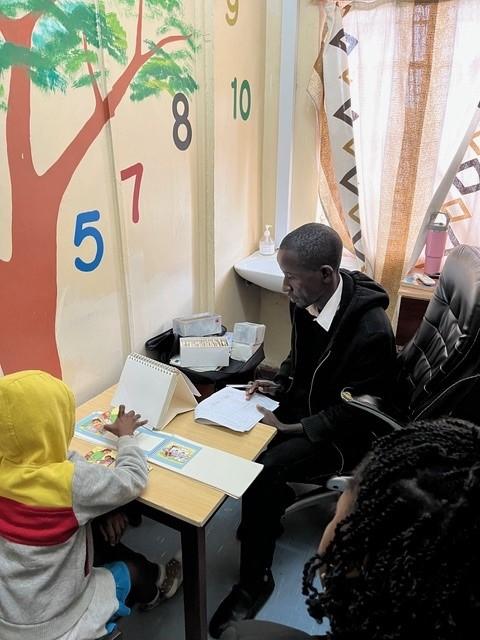
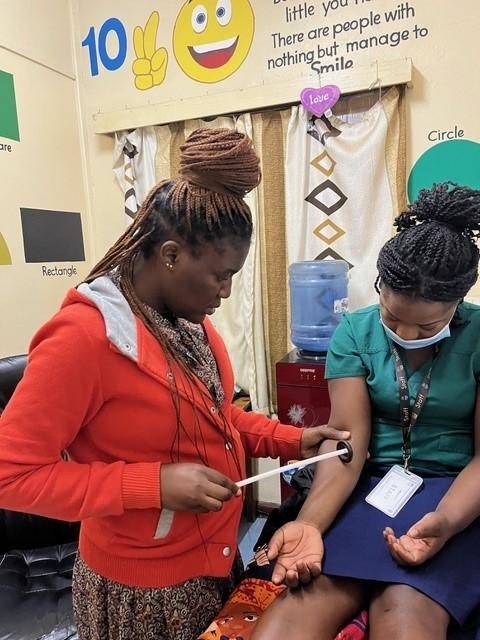
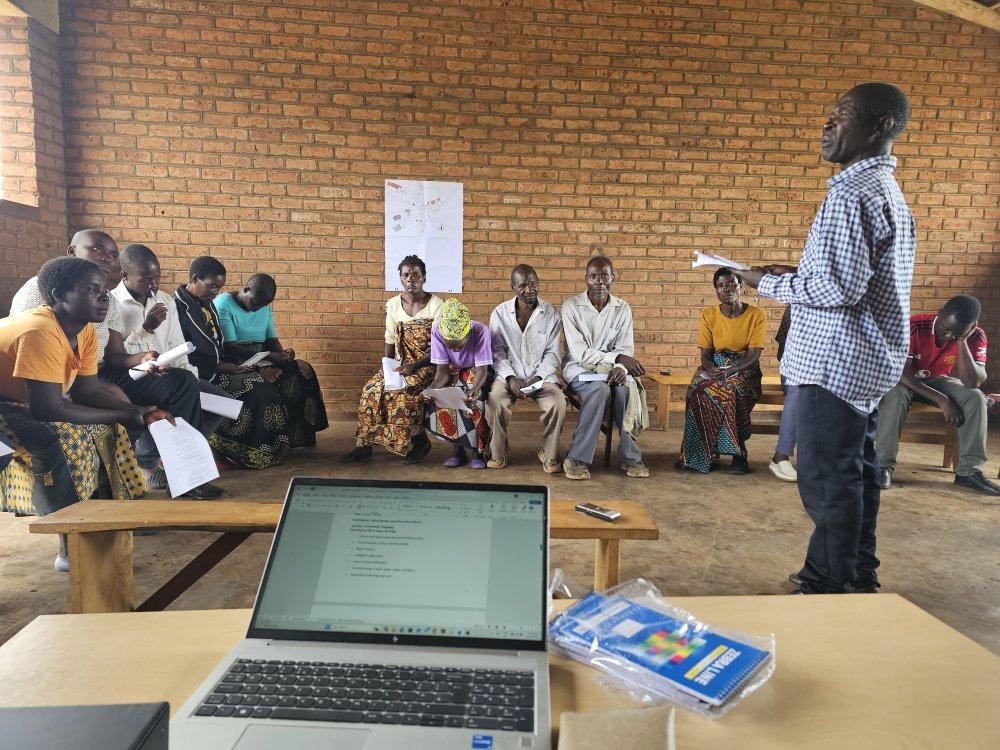
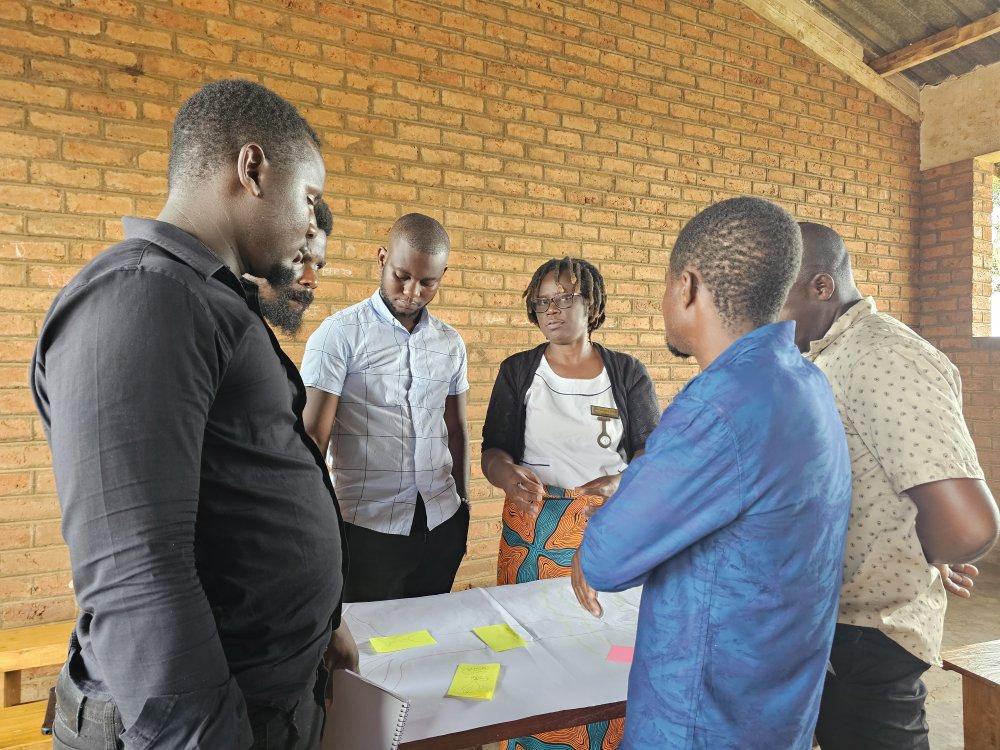
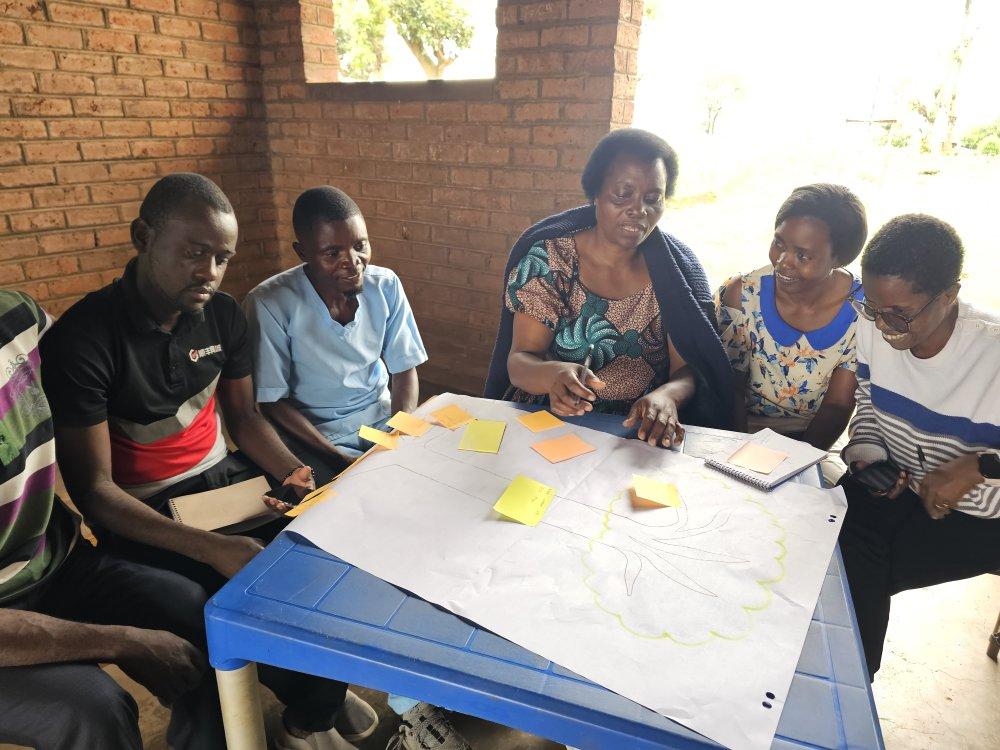
The social sciences and health system theme conducts multi-disciplinary social science and health systems research to improve health; and provides an environment for training excellent researchers who can effectively apply social science and health systems theory and methods.
The overarching objective of the theme is “to improve health interventions and health outcomes through a better understanding of local knowledge, people’s actions and social interactions, and the context”.
The research portfolio of the theme comprises four thematic areas:
The overarching objective of the theme is “to improve health interventions and health outcomes through a better understanding of local knowledge, people’s actions and social interactions, and the context”.
The research portfolio of the theme comprises four thematic areas:
- Society, health, and health seeking. This thematic area includes research that aims to understand how societies experience health, illness and interact with curative and preventive healthcare.
- Health technologies and society. Within this thematic area, the focus is on research enhancing the interface between health technologies, innovations, and societies to improve health outcomes.
- Healthcare practice, policy and systems. This thematic area covers health policy and systems research, aiming to strengthen health systems and make them more resilient, people-centred and equitable.
- Community engagement and ethics. Within this thematic area, we conduct research that seeks to optimise community engagement and involvement in research, ensure it is responsive to local health needs, and optimize ethical conduct of health research.

Reader in Health Systems and Social Sciences
Dr Maryse Kok is Reader in Health Systems and Social Sciences at the Malawi Liverpool Wellcome Research Programme (MLW) and the Liverpool School of Tropical Medicine (LSTM). Maryse is leading the Social Science and Health Systems Theme, as well as the Health, Society and Systems Group at MLW. She is research lead of the Institute for Resilient Health Systems. Maryse’s current research focuses on health system and community resilience in the context of shocks and stressors. Maryse’s track record entails multi-country and mixed-methods studies on community health – particularly the role of community health workers, human resources for health, strengthening of (district) health systems, and sexual and reproductive health and rights in Africa. Maryse’s work includes qualitative and participatory research methods to bring people’s voices and experiences to the forefront and design, evaluate, and learn from resilience strategies and interventions, aiming to contribute to improved health outcomes for all. Key publications are a highly cited systematic review on performance of community health workers and more recently, an evaluation of a sexuality education programme in sub-Saharan Africa. Maryse’s full publication profile is available here.

Social Scientist
Dr Deborah Nyirenda is a social scientist with extensive experience in global health research. She leads the Community Engagement and Bioethics Research Group at Malawi Liverpool Wellcome Research Programme (MLW) and serves as Lecturer at the Liverpool School of Tropical Medicine (LSTM), where she teaches Qualitative Research Methods in Global Health. Deborah is recipient of the prestigious Wellcome Career Development Award and serves as the Malawi country lead for the Global Health Bioethics Network. Her research focuses on strengthening community engagement in global health research and co‑designing community‑led interventions in the areas of climate change and health, vaccines, and antimicrobial resistance (AMR). Deborah is leading social science, risk communication and community engagement research components in multi-disciplinary research collaborations including the NIHR Global Health Research Groups on Gastrointestinal Infections and Vaccines to Control Respiratory Pathogens and Antimicrobial Resistance (AMR) in Africa. Deborah has authored a large number of peer‑reviewed articles on community engagement and related health issues in leading international journals and contributed to several book chapters. Her full publication profile is available here.

Behaviour Social Scientist and Health Systems Researcher
Dr. Moses Kelly Kumwenda is a behaviour social scientist and health systems researcher at the Malawi Liverpool Wellcome Research Programme (MLW) and the Liverpool School of Tropical Medicine’s (LSTM) Institute for Resilient Health Systems (IRHS), where he contributes to interdisciplinary research to improve health outcomes of vulnerable populations in Malawi and beyond. His behavioural research focuses on the social, cultural, technological, and political dimensions of health and health systems, with expertise in participatory methodologies, implementation science, and climate-related health risks. Moses’ research explores how local knowledge systems, power relations, and everyday lived experiences shape health behaviours, and patients’ engagement with health systems. He has extensive experience working in Malawi and several African countries research, collaborating closely with communities, frontline health workers, implementers, policy actors and researchers. His expertise includes process and impact evaluation, qualitative needs assessment, qualitative evidence synthesis, participatory methodologies, qualitative research, and public health policy analysis. Moses has authored and co-authored a large number of publications in peer-reviewed journals, including a publication on Exploring social harms during distribution of HIV self-testing kits in Malawi.

Senior Research Associate
Dr Felix Limbani is a Senior Research Associate, and expert in social science and health systems at Malawi Liverpool Wellcome Research Programme (MLW). He is an honorary researcher with Liverpool School of Tropical Medicine (LSTM) and University of the Witwatersrand. Felix has been the co-Director for Multilink study (2021-2025), leading a multidisciplinary team in NIHR-funded study, designing and testing a system which identifies patients suffering from multimorbidity during emergency assessment in hospitals in Malawi and Tanzania. He is the current coordinator of the African Multimorbidity Alliance. As trial manager, Felix has previously delivered an MRC-funded randomized controlled trial on integrated chronic disease management at in South Africa. Felix has also led the Social Science theme for the NIHR Global Health Group on Sepsis (ARCS), where he contributed to a global Delphi consultation process to develop standards for sepsis care. His recent work has documented important health system and inpatient perspectives during the pivot to COVID-19 management in Malawi, providing valuable insights into the challenges and strategies for managing respiratory diseases in LMICs. His experience includes supervising PhD and Masters students. Felix has authored a range of publications which can be accessed from here, including one on Facilitating high quality acute care in resource-constrained environments: Perspectives of patients recovering from sepsis, their caregivers and healthcare workers in Uganda and Malawi

Behavioural and Implementation Scientist
Dr Thomasena O’Byrne is a behavioural and implementation scientist at the Malawi Liverpol Wellcome Programme and the Liverpool School of Tropical Medicine. She is the Associate Group Head for One Health and Health Systems within the Social Science and Health Systems theme and is an Honorary Lecturer at the Kamuzu University of Health Sciences. Her research focuses on strengthening health systems through transdisciplinary approaches and co-creation, drawing on implementation science and One Health perspectives. Thomasena’s work centres on antimicrobial resistance (AMR), infection prevention and control (IPC), and healthcare-associated infections. Currently, she is the Malawi Principal Investigator for NIHR-funded Improving Infection Prevention and Control Practices in Acute Healthcare Facilities in Malawi (IPC-Implement) and Optimising Antibiotic Use to Mitigate AMR (OPT-AMR). She more recently took on the role of Malawi Principal Investigator for the Wellcome-funded SEDRI-LIMS programme, where she leads the global implementation work package. Her research uses qualitative and mixed methods alongside participatory approaches to understand how health systems function in practice and how complex interventions can be embedded and sustained. A key focus of her work is engaging actors across the health system and community as active contributors to improving quality of care. She has extensive experience working with ministries of health, researchers, and communities to generate evidence that informs policy and practice, and supervises postgraduate students in social science and health systems research. Thomasena has authored and co-authored a number of peer-reviewed publications, including a book chapter in Systems Thinking for Global Health (Oxford University Press) on applying systems thinking to understand decentralisation processes in Malawi.

Health Systems | Policy Researcher | PhD Student
Olive Mbekwani Kalata is a health systems and policy researcher and PhD student based in the Policy Unit at the Malawi Liverpool Wellcome Research Programme. She has a background in nursing and over a decade of experience working within Malawi’s public health system. Her research interests focus on health system strengthening, evidence-informed decision-making, health policy analysis, and implementation research. Olive’s PhD research explores the integration of mental health care into routine primary perinatal health services in Malawi, with a focus on feasibility and acceptability. She has contributed to several multidisciplinary research projects addressing mental health, antimalarial drug resistance, climate change and clean energy, and pandemic preparedness. She is particularly interested in strengthening the link between research, policy, and practice to improve health outcomes in low-resource settings.She has co-authored a publication on Identification, Prevention, and Treatment of Perinatal Depression in Low- and Middle-Income Countries: A Narrative Review

Postdoc and Researcher
Dr Treighcy is a Postdoc and researcher at the Malawi Liverpool Wellcome Research Programme, specialising in Health systems. Treighcy’s PhD assessed health service delivery for adults living with multimorbidity in Malawi. With over five years of experience, their work focuses on improving access to quality healthcare. Her expertise includes mixed methods research, public health policy and data synthesis. Treighcy is a trained Physiotherapist and has authored or co-authored several publications in peer-reviewed journals, including; An exploration study of context and factors shaping policies for integrated management of multimorbidity in Malawi in Health Research Policy and Systems and Suicide in Malawi: what ca we do? Published in Pan African Medical Journal.

Liverpool Clinical PhD Programme Candidate

Commonwealth PhD Scholar at the University of Birmingham
Dalitso Maluza-Ndaferankhande is a Commonwealth PhD Scholar at the University of Birmingham, affiliated with the Malawi Liverpool Wellcome Research Programme. Her work focuses on maternal and perinatal mental health, with particular attention to improving bereavement support for parents following pregnancy and neonatal loss in low-resource settings, through adapting and piloting a community-based intervention in Malawi. With over a decade of experience in research and programme management, her expertise includes qualitative and mixed-methods research, systematic reviews, Delphi methods, community engagement, and implementation research. She has co-authored two peer-reviewed publications in PLOS ONE and Global Health Action, contributing to the evidence base on maternal and perinatal wellbeing: Exploring the return-on-investiment for scaling screening and psychosocial treatment for women with common perinatal mental heal problems in Malawi: Developing a cost-benefit-calculator tool and Using maternal sepsis patient journey to map and prioritise barriers to quality maternal healthcare in Malawi: a multidisciplinary stakeholders consultation workshop.

Medical Doctor and a Public Health Practitioner
Dr Kennedy Uadiale is a medical doctor and a public health practitioner. He is currently a project manager and PhD student at the Malawi Liverpool Wellcome Research Programme (MLW), specialising in antimicrobial resistance and health systems research. With over a decade of experience working in the humanitarian sector across Africa and Asia, Kennedy joined the Liverpool School of Tropical Medicine (LSTM) in 2025 and is based at MLW where he is managing the NIHR funded Optimising Antibiotic Usage to Mitigate Antimicrobial Resistance (Opt-AMR) project. The project aims to develop a rapid and recurrent surveillance system for antibiotic use and AMR prevalence and involving community voices in sub-districts for evidence-based improvement of health system strategies and policies. Kennedy is proficient in the use of epidemiological processes in the management of epidemic prone disease outbreaks. He is passionate about mixed method research and uses the Lots Quality Assurance Sampling (LQAS) technique in his quantitative studies. He has authored/co-authored publications in peer-reviewed journals, including Assessment of water, sanitation and hygiene services within nineteen Rohingya camps in Cox’s Bazar, Bangladesh in 2022 and Evaluation of Pastorex meningitis kit performance for the rapid identification of Neisseria meningitidis serogroup C in Nigeria.

Global Health Bioethics Network fellow
Gertrude Banda is a Global Health Bioethics Network fellow, a Burdette Fellow and PhD student based at the University of Stirling and affiliated with the Malawi Liverpool Wellcome Research Programme (MLW). Her PhD is looking at developing a career pathway for clinical academic roles for Nurses, Midwives and Allied Health professionals. She is specializing in health sciences with research interest in health systems strengthening, implementation science, policy development and bioethics. Her areas of focus are health workforce and service delivery. Gertrude has a nursing background and holds a Masters by Research from the University of Edinburgh, a Masters degree in Global Health Implementation from University of Malawi, and a Bachelors degree in nursing and Midwifery from the University of Malawi. She has authored a publication in a peer reviewed journal including Participant and researcher understandings of research responsibilities in malawi: a comparative analysis and co-authored several others including A Multicomponent Intervention to improve Maternal Infection Outcomes.

Junior Research Assistant
Charity Gunda is a junior research assistant under the MARVELS group, specialized in qualitative research. She has hands‑on experience in primary data collection, including conducting in‑depth interviews and focus group discussions, as well as data processing and analysis. She is engaged in a Global Health Bioethics Network bursary project exploring the ethical implications of Bacillus Calmette–Guérin (BCG) challenge studies in adult healthy volunteers in Blantyre, Malawi. This qualitative study seeks to understand participants’ views and experiences before and after inoculation, examine factors influencing participation, assess clinical staff perspectives on implementation, and explore ethicists’ views on the ethical conduct of Controlled Human Infection Model (CHIM) studies in low‑ and middle‑income countries. Through this work, she aims to help bridge gaps between research teams and communities in understanding ethical issues in clinical research. Charity holds a Bachelor of Social Sciences in Community Development and brings strong skills in community mobilization, stakeholder engagement, and communication. She has co-authored a publication on Guardians and research staff experiences and views about consent process in hospital-based paediatric research studies in urban Malawi: a qualitative study.

Social Scientist
Tracy Chasima-Macheso is a social scientist at the Malawi Liverpool Wellcome Research Programme, specialising in community engagement and community health. Tracy’s work focuses on air pollution, climate and health, and co-creation of interventions using participatory methods to improve communities' access to health services. Her expertise includes participatory action methods, community engagement, and qualitative analysis. Tracy has co-authored several publications in PLoS ONE and BMJ Global Health, including Using a food-energy nexus lens to explore people’s experiences of the cooking journey in African informal settlements and Exploring the use of solid fuels for cooking and household air pollution in informal settlements through photovoice: The Fuel to Pot study in Ndirande (Malawi) and Mukuru (Kenya).

Early Career Social Scientist and Community Engagement Specialist
Wezzie Nyapigoti is an early career social scientist and community engagement specialist at the Malawi Liverpool Wellcome Research Programme, with substantive professional experience in social science research, community engagement, and monitoring, evaluation, and learning within health research and development settings in Malawi. His work focuses on qualitative and mixed methods research, research ethics, community engagement, research project management and stakeholder perspectives in global health, with particular attention to fair compensation, benefits, and participation in research. His expertise also includes data analysis using NVivo, SPSS, and Open Data Kit. Wezzie has led and supported multiple local and international research projects, served as a principal investigator on grant funded research, and contributed to the design, implementation, and analysis of studies in medical anthropology, HIV, gender-based violence, and public health ethics. Wezzie has authored and co-authored in several peer-reviewed journal publications, including work published in BMC Medical Ethics on Conflicting perspectives on what constitutes fair compensation and benefits among research stakeholders in Malawi.

Pre-PhD Intern
Theodora Khofi is a Pre-PhD Intern at the Malawi Liverpool Wellcome Research Programme, specialising in global mental health. Her work focuses on co-developing evidence-based and contextually relevant interventions to address wellbeing in sub-Saharan Africa. Her expertise includes qualitative methods and evidence synthesis in mental health research. Theodora has authored or co-authored publications in peer-reviewed journals: The management of psychiatric emergencies in Africa: A scoping review of restraint and seclusion practices in clinical settings and their impacts and Results of a Pilot Randomized Controlled Trial of IDEAS for Hope: A Brief Telehealth Intervention for Suicide Prevention and HIV Care Engagement in Tanzania.

Early Career Social Science Researcher
Amr J Saidi is an early career social science researcher interested in global health, gender equity, and public health policy, with a particular focus on marginalized populations in Malawi. His work explores the intersection of HIV prevention, sex work, and structural inequalities, examining how legal frameworks, stigma, and social determinants shape health outcomes. He examines the impact of climate change on the uptake of HIV services among female sex workers in Malawi. Specifically, he explores how climate-related shocks such extreme weather events (EWEs) affect access to and engagement with HIV prevention, testing, and treatment services. Amr has co-authored a publication on Exploring the Interplay of Social and Physical Factors in Risk Dynamics and Transitions Across the Life-Course of Female Sex Workers in Blantyre, Malawi: A Longitudinal Narrative Study.
Master's in Infection Prevention and Control Student
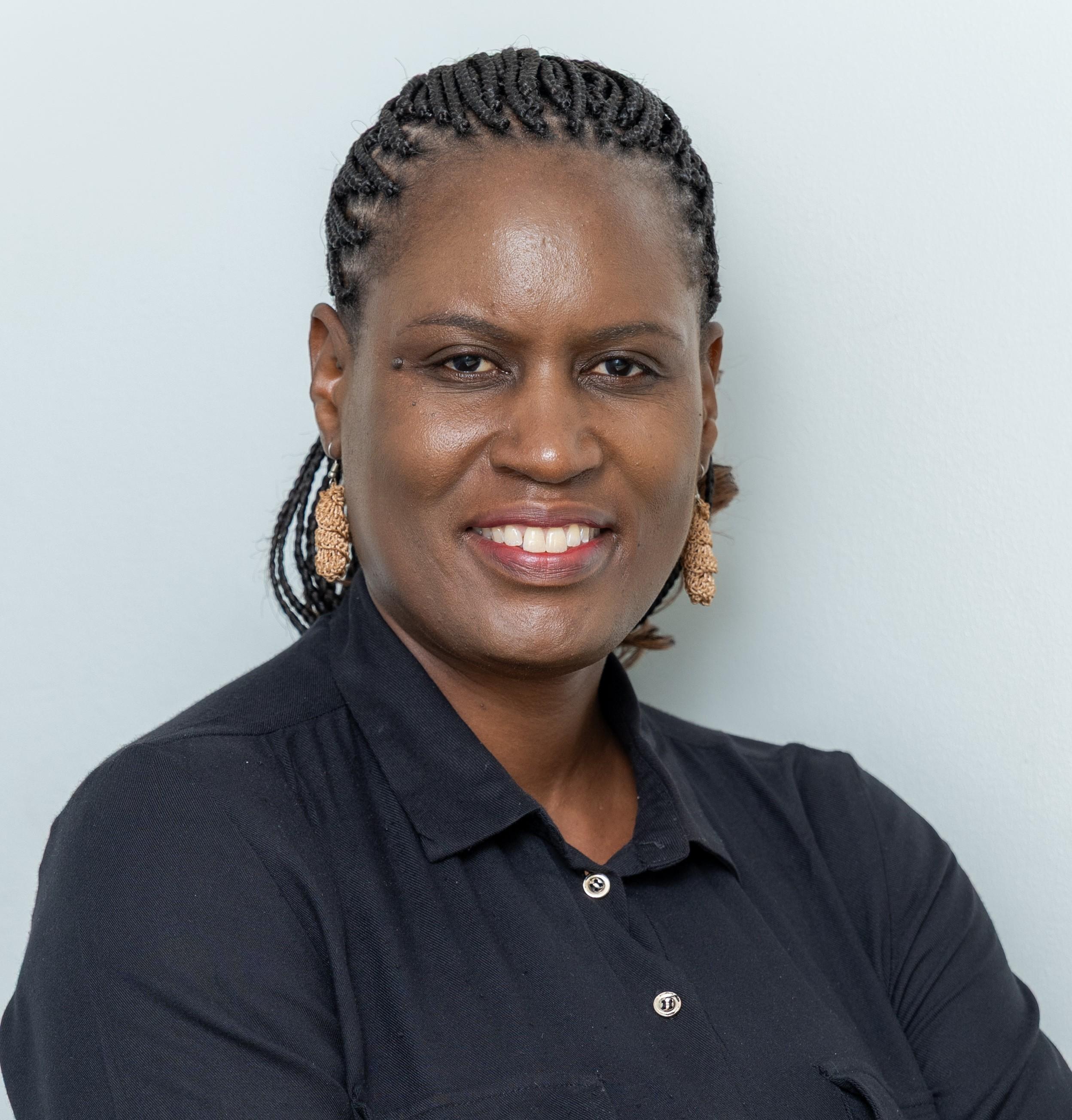
Helen Mangochi is a master's in infection prevention and control student at the University College Cork, Ireland and Global Health Bioethics Network fellow at the Malawi Liverpool Wellcome Research Programme. Her interest is in informing evidence-based health care, as well as research practices. Over a decade has collaborated with various multidiscipline researchers to improve health wellbeing of the population by addressing emerging clinical and public health challenges in clinical and community settings respectively. She has a nursing background, and her expertise includes qualitative research methods using ethnography and behaviour cantered methodologies. Helen has authored and co-authored publications in peer-reviewed journals which can be accessed here including a qualitative study exploring hand hygiene practices in a neonatal unit in Blantyre, malawi: implication for controlling healthcare-associated infection and how should assent to research be sort in low income settings? perspectives from parents and children in Southern Malawi.

Social Scientist
Mackwellings Phiri is a social scientist at the Malawi Liverpool Wellcome Research Programme. He holds a Master’s degree in Global Health from the Liverpool School of Tropical Medicine. His work focuses on the social and ethical dimensions of global health, including infectious diseases, antimicrobial resistance, vaccine uptake, and research ethics. Mackwellings has extensive experience designing and implementing qualitative and participatory research, securing ethics approvals, and leading community engagement initiatives. He has authored a range of peer-reviewed publications. Throughout his career, he has collaborated with multidisciplinary research teams, policymakers, and communities across Malawi and other African countries to generate evidence that informs health policy and practice. Selected publications in health systems strengthening and community resilience include: Exploration of the social determinants of diarrhoea, rotavirus vaccine uptake, and vaccine ‘fatigue’ in Ethiopia, Kenya, and Malawi and Factors influencing uptake of COVID-19 diagnostics in Sub-Saharan Africa: a rapid scoping review

Early Career Social Scientist
Wezi Msukwa-Panje is an early-career social scientist whose work focuses on health systems research in low-resource settings. She examines how people affected by infectious diseases (including TB and post-TB conditions) and neglected conditions experience illness, access care, and navigate health systems, with the aim of generating evidence that can strengthen patient-centred services and inform health policy. She is particularly interested in how health systems respond to the needs of underserved populations and how services can be designed to better reflect patient and community experiences. Using mixed methods, she contributes to interdisciplinary research aimed at improving access to care and strengthening health systems in Malawi and other low- and middle-income settings. Her work seeks to generate contextually grounded evidence to inform policy, support more equitable health services, and improve health and social outcomes. She has co-authored several peer reviewed papers and recent publications include; Respiratory symptoms after TB treatment completion: A qualitative study of patient and provider experiences in urban Blantyre, Malawi and Treatment preferences among people at risk of developing tuberculosis: A discrete choice experiment

PhD Student
Henry Sambakunsi is a PhD Student at the London School of Hygiene & Tropical Medicine (LSHTM), funded by an NIHR studentship, based at the Malawi Liverpool Wellcome Research Programme (MLW). His PhD is part of an NIHR-funded programme focused on the Anthropology of Diagnostics, examining how self-testing and self-sampling diagnostics are understood and integrated within communities and health systems in Malawi. With his progressive research experience at MLW, Henry’s work spans community engagement, qualitative and ethnographic research, and global health. Prior to his current focus on the anthropology of diagnostics, he has contributed to research across a range of areas, including household air pollution and cookstove interventions in rural Malawi; research ethics and participant compensation in transnational global health research; community-engaged responses to COVID-19; antimicrobial resistance through community and stakeholder engagement; and intervention co-development with stakeholders including key populations. His expertise includes ethnographic and participatory methods, qualitative research, and community-engaged research in Malawian contexts. Henry has authored and co-authored several peer-reviewed publications in journals including BMJ Global Health, International Health, Wellcome Open Research, and PLOS Global Public Health. Recent publications include on a qualitative evaluation of a community engagement approach called responsive dialogue on antimicrobial resistance.

Qualitative Data Transcribing and Translation Officer
Diana Mwaipaya is a Qualitative Data Transcribing and Translation Officer for Malawi Liverpool Wellcome Research Program within the Data Management Support Unit (DMSU). With a Bachelor of Arts degree in community development, Diana has practical experience in primary data collection, including conducting in-depth interviews and focus group discussions, as well as vast expertise in data transcription and translation. She supports translation and transcription efforts across multiple studies at MLW, examining the ethical implications of language barriers in health research. This qualitative work mainly explores participants’ understanding and informed consent, ethical challenges, cultural and contextual interpretation, equity and inclusion, the influence of language on health communication, and the accuracy and quality of transcription and translation. Through these efforts, she seeks to strengthen communication between research teams and the communities they serve. Through this work she has contributed to many qualitative publications including the recent Acceptability of advanced Controlled Human Infection Models; the case of a pneumococcal challenge in people living with HIV and mycobacterial challenge with Bacillus Calmette Guerin in Malawi .

Post Doctoral Research Associate
Mtisunge Joshua Gondwe is a Post Doctoral Research Associate in the Maternal and Fetal Health group, working on the NIHR Safe Motherhood Africa Programme, which aims to improve maternal and neonatal outcomes in Malawi and Zambia. Within this programme, Mtisunge is leading a study on the experiences of vulnerable maternity service users in accessing maternity services. Her work also includes the development, testing, and evaluation of a maternity-specific feedback tool in Malawi, as well as leading the prioritization workshops and co-design of quality improvement projects. In addition, she contributes to the process evaluation component of the Enhanced Antenatal Care Trial, which seeks to improve antenatal care services and maternal and neonatal outcomes. She has also been awarded a Fellowship Catalyst Award under the Discovery Research Support Hub (DRSH) to work on the acceptability, feasibility, and safety of establishing a human milk bank in a neonatal unit at Queen Elizabeth Central Hospital. Trained as a nurse and midwife, her expertise lies in health systems and implementation research. Her interests span maternal, neonatal, child, and adolescent health (MNCAH), quality improvement, policy, climate change, mental health, bioethics, and nursing practice. She has strong expertise in clinical practice, research operations, project management, and mixed-methods research, including qualitative, participatory, and quantitative approaches. Mtisunge has authored several publications including Ending preventable maternal deaths in Malawi: the stakeholders consensus approach to identify maternal health neeeds priorities and Factors impacting stillbirth and neonatal death audit in Malawi: a qualitative study
Projects Coordinator and Co-PI
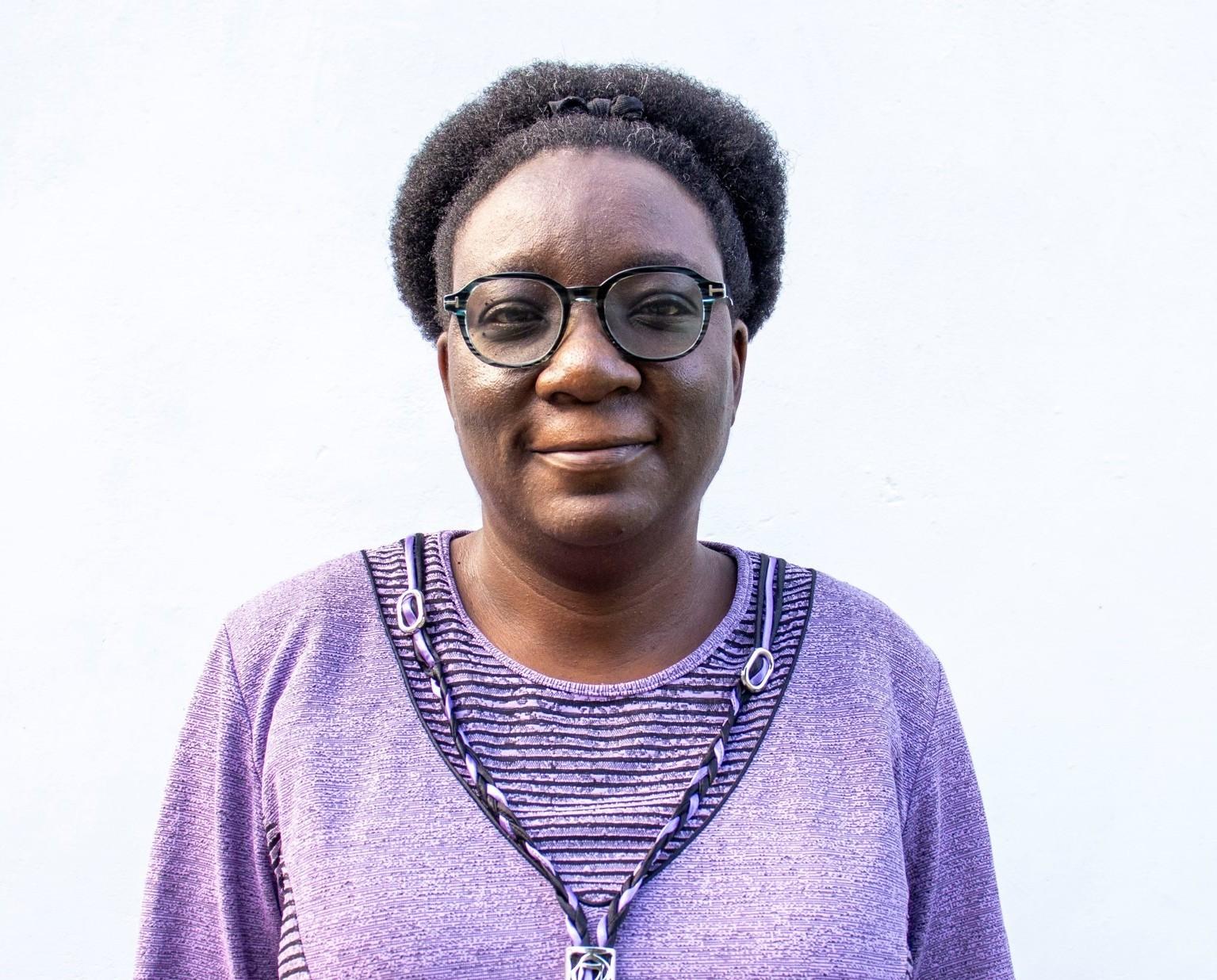
Neema Toto is Malawi Accelerated Research in Vaccines, Experimental and Laboratory Systems (MARVELS) Projects Coordinator and Co-PI in the study exploring the ethical implications of Bacillus Calmette–Guérin (BCG) challenge studies in adult healthy volunteers in Blantyre, Malawi study based at the Malawi Liverpool Wellcome Research Programme. Neema has substantial experience in running Human Infection Studies including ethical issues involved with Human Infection Studies. Currently she is leading qualitative research exploring ethical issues in the first BCG CHIM trial in Malawi while coordinating 2 other Human Infection Studies. Neema’s expertise include clinical trial management and coordination, qualitative research, human infection studies, and public health. Neema has authored and co-authored a range of publications in peer-reviewed journals, including ”At first, I was afraid”-a qualitative description of participants’ views and experiences in the first Human Infection Study in Malawi and Malawi Accelerated Research in Vaccines, Experimental and Laboratory Systems (MARVELS) consortium. Effect of 13-valent pneumococcal conjugate vaccine on experimental carriage of Streptococcus pneumoniae serotype 6B in Blantyre, Malawi: a randomised controlled trial and controlled human infection study

PhD candidate

Postdoctoral Research Associate